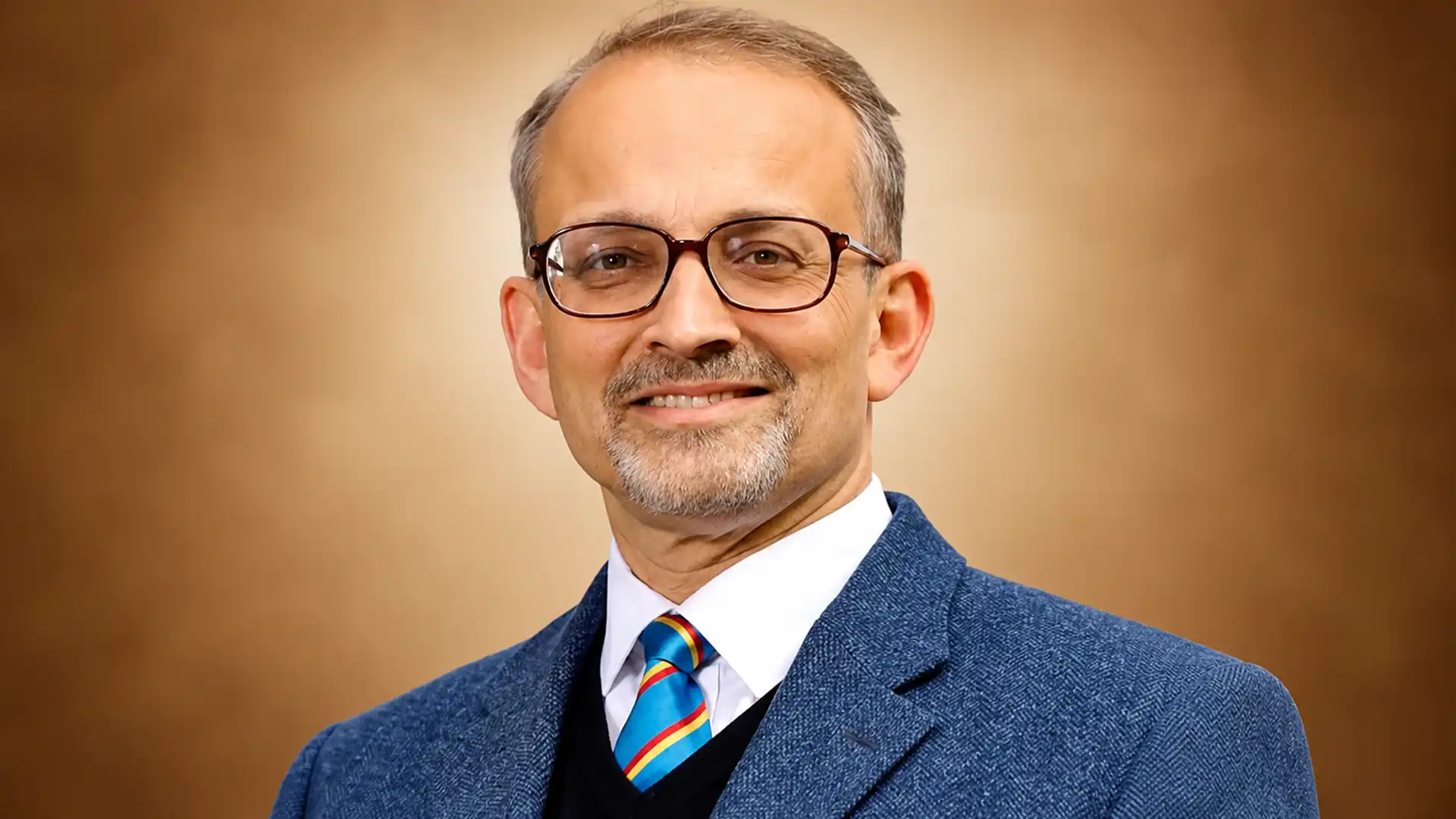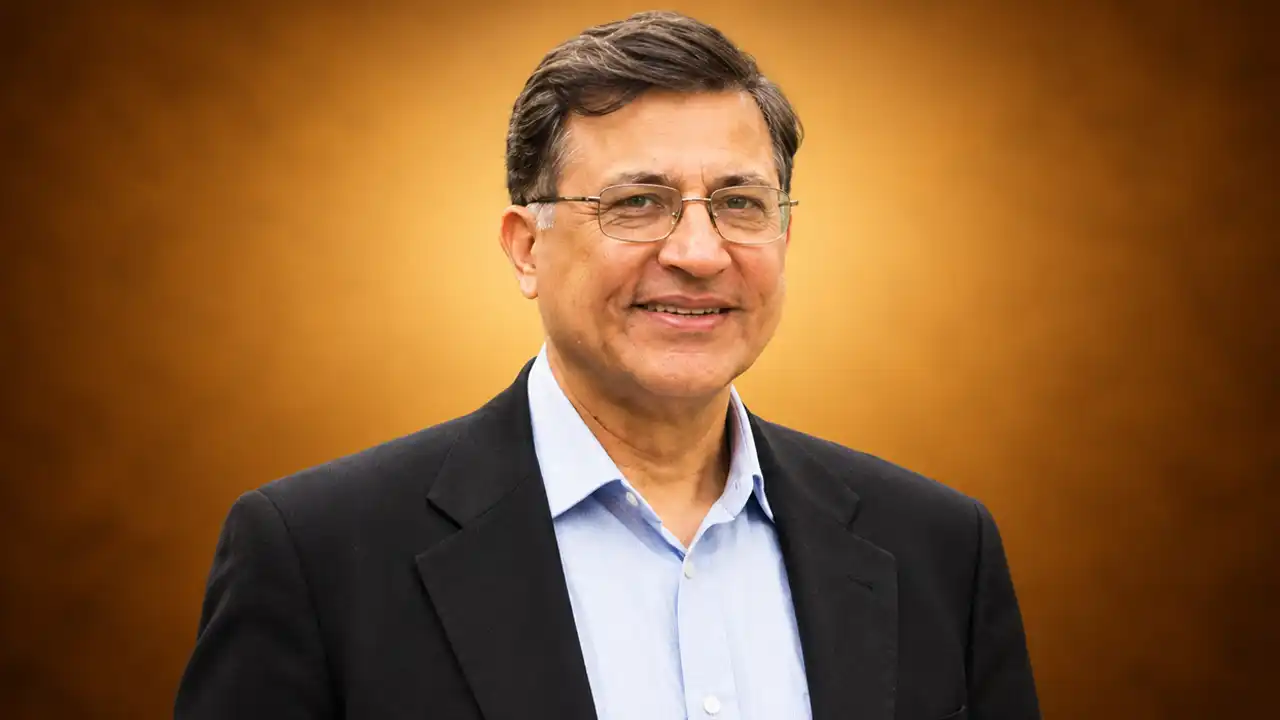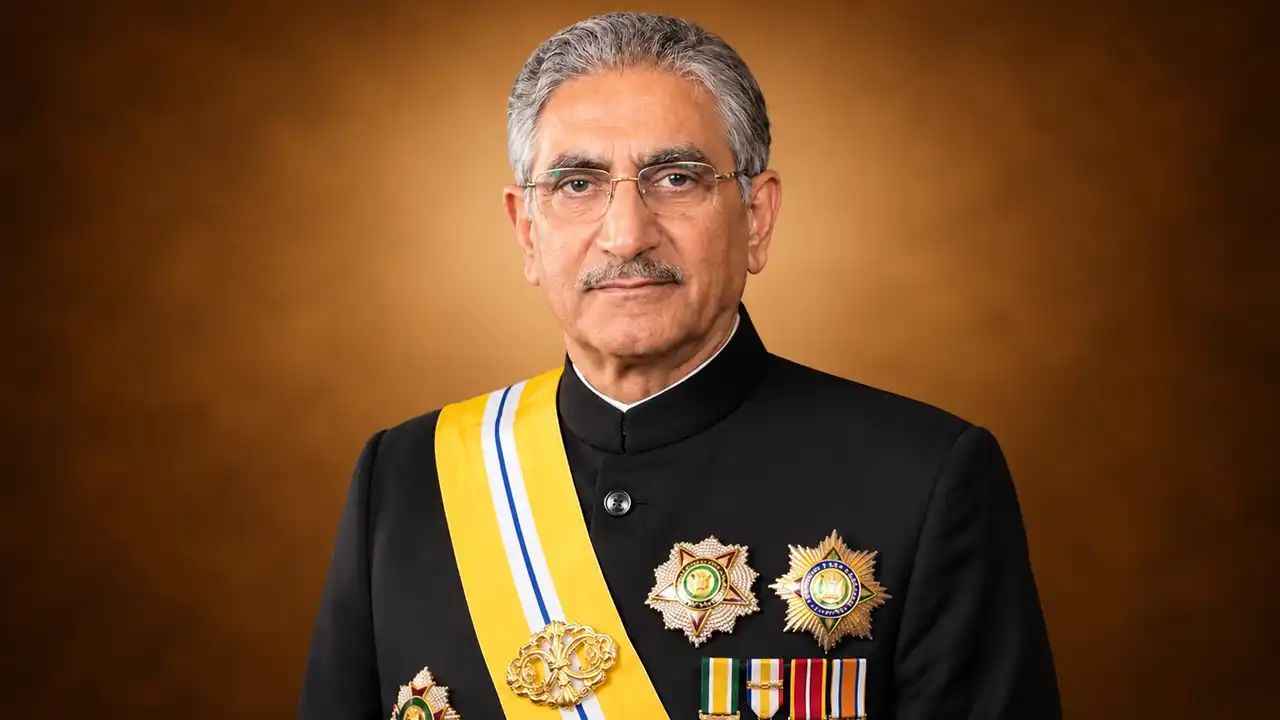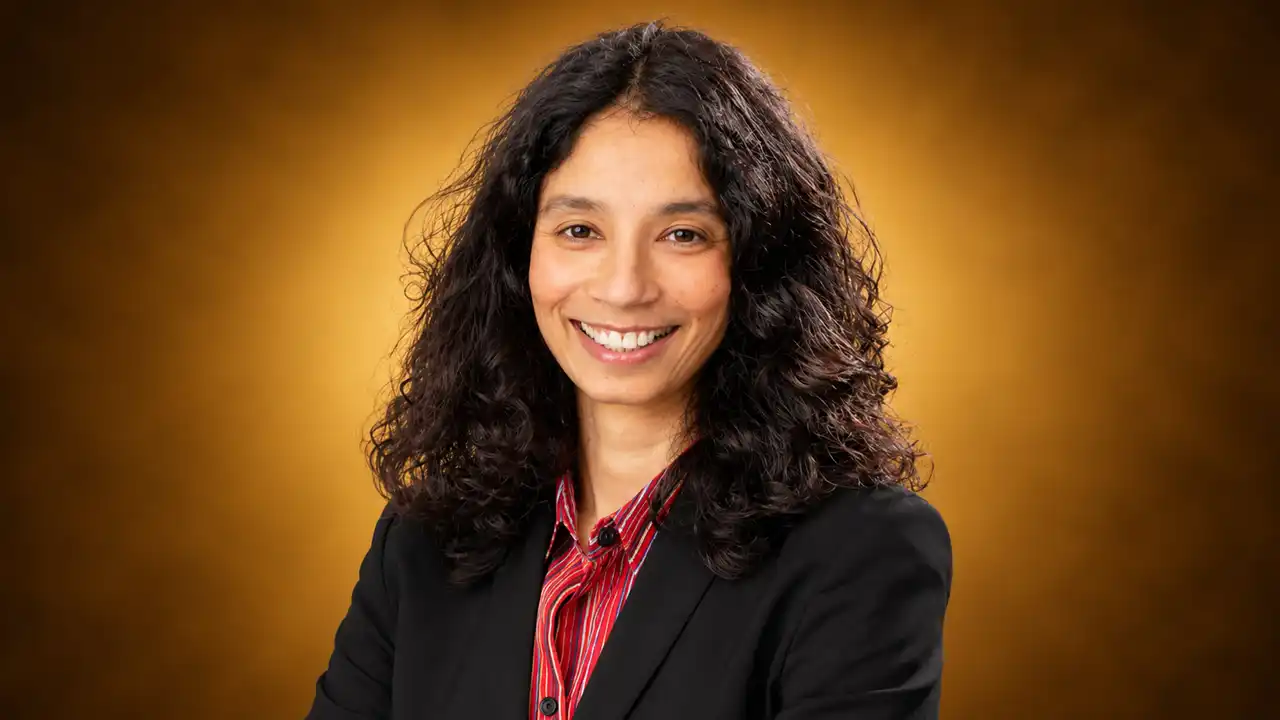

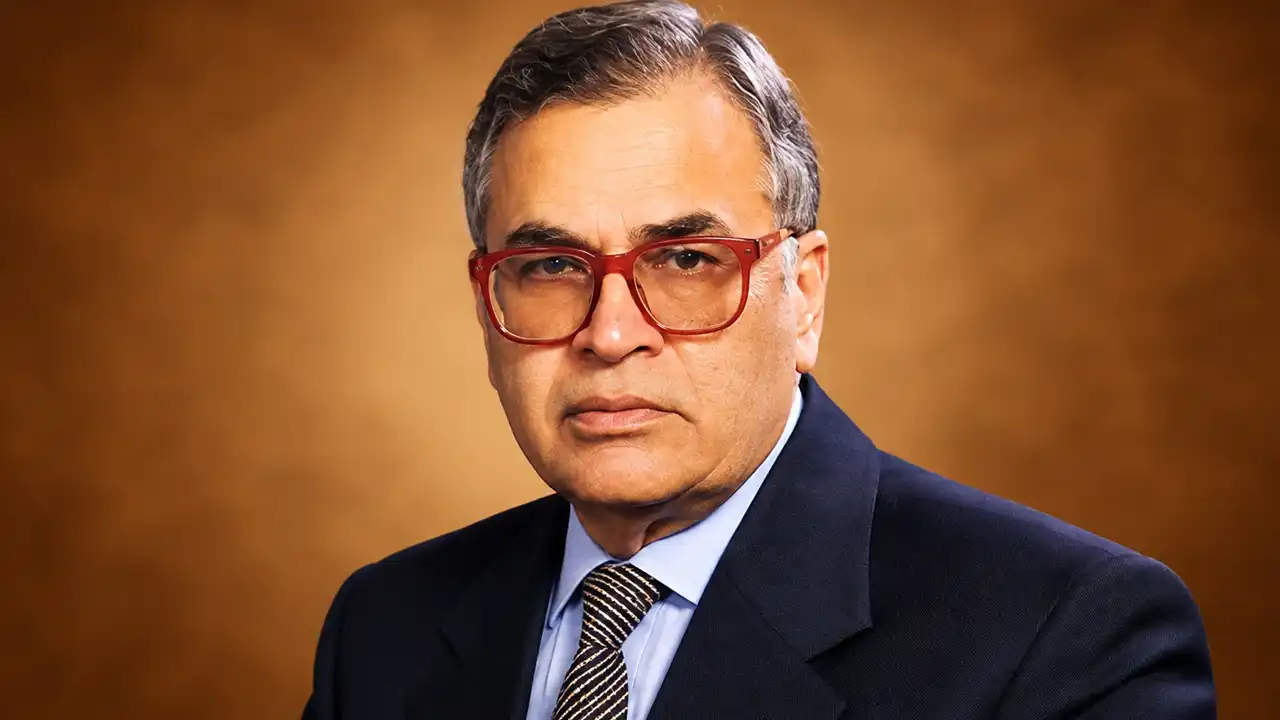
Dr. Riazuddin
Published On 21 Nov, 2026
SCIENTIFIC PAKISTANI | THE LEADERSHIP ARCHIVES
Dr. Riazuddin: The Theoretical Physicist Who Helped Build Pakistan’s Scientific Legacy
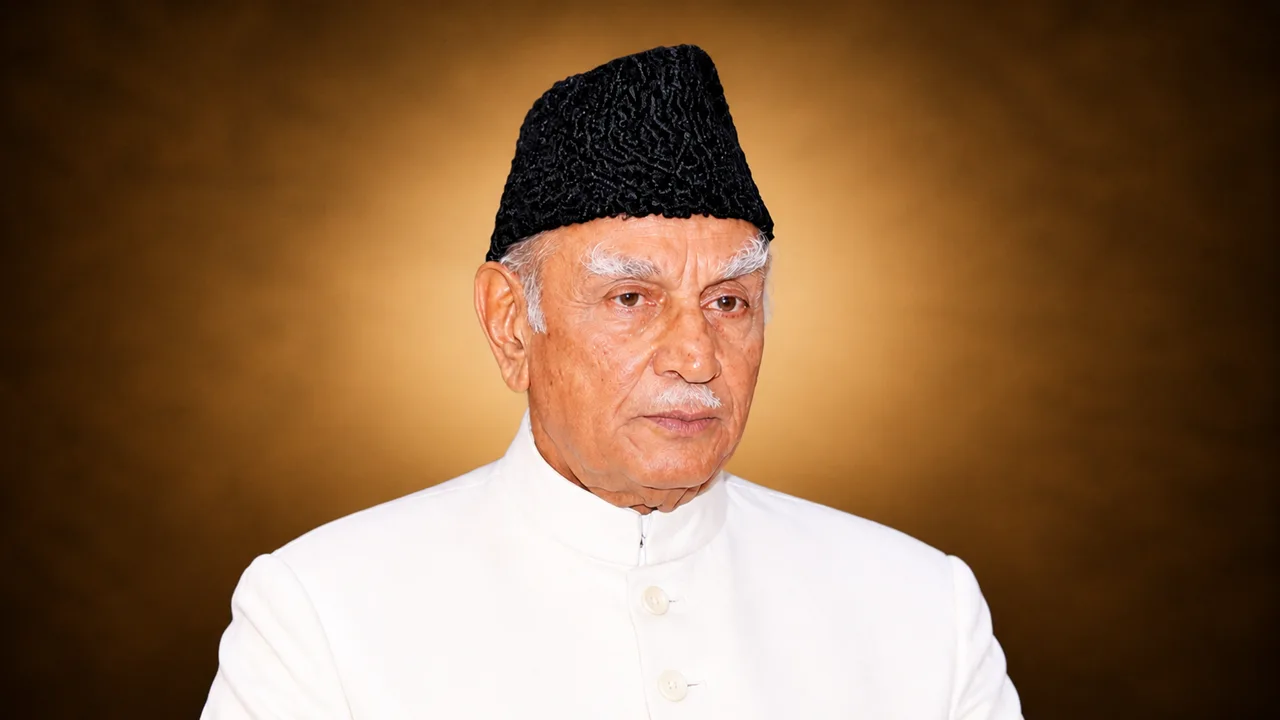
Professor Riazuddin was a distinguished Pakistani theoretical and particle physicist whose pioneering research in quantum field theory, nuclear physics, and elementary particle interactions earned him international recognition. A student of Nobel laureate Dr. Abdus Salam, he made important contributions to modern particle physics, co-developed the influential Kawarabayashi–Suzuki–Riazuddin–Fayyazuddin (KSRF) relation, and helped establish Pakistan's first internationally recognised centre of theoretical physics at Quaid-i-Azam University. His scientific leadership, academic publications, and dedication to educating future physicists left a lasting mark on Pakistan's research landscape.
Introduction: A Pioneer of Theoretical Physics in Pakistan
Dr. Riazuddin was one of Pakistan's most respected theoretical physicists and an important figure in the development of high-energy particle physics in the country.
His scientific career was built around understanding the fundamental forces and particles that make up the universe. Through mathematical models and theoretical investigations, he explored the strong, weak, and electromagnetic interactions that govern the behaviour of matter.
His research received international attention, particularly through his work with his twin brother, Professor Fayyazuddin, on the relationship between the properties of subatomic particles.
Beyond research, Riazuddin played a central role in building scientific institutions in Pakistan. He established the Institute of Physics at Islamabad University, which later became the Department of Physics at Quaid-i-Azam University (QAU), and helped create an environment where young Pakistani researchers could participate in international scientific discussions.
Early Life and Academic Foundation
Riazuddin was born on November 10, 1930, in Ludhiana, in British India. Following the Partition of 1947, his family migrated to Pakistan and settled in Lahore.
His interest in mathematics and physics developed during his early education. He later joined Government College Lahore, where he studied under the guidance of Professor Abdus Salam.
In 1951, he completed his Bachelor of Science degree with honours in mathematics. He subsequently earned a master's degree in mathematics from the University of the Punjab in 1953.
His academic abilities and interest in theoretical research encouraged him to pursue advanced studies in the United Kingdom.
Cambridge University: Research Under Abdus Salam
In 1955, Riazuddin travelled to the University of Cambridge to pursue doctoral research under the supervision of Abdus Salam.
Cambridge provided an opportunity to study advanced mathematical physics and the emerging theories of elementary particles.
He completed his PhD in theoretical physics in 1959. His doctoral research examined the charge radius of the pion and problems involving charge-dependent nuclear forces.
His association with Salam proved influential throughout his career. Their academic relationship introduced him to an international network of physicists and helped shape his approach to fundamental research.
After completing his doctorate, Riazuddin returned to Pakistan, bringing advanced knowledge of theoretical particle physics to the country's growing academic community.
Scientific Contributions: Understanding Fundamental Particles
Riazuddin's research focused on the mathematical foundations of particle physics and the interactions responsible for the behaviour of subatomic matter.
He published more than 165 research papers in international scientific journals, covering several important areas of theoretical physics.
His major research interests included:
Strong Interactions: Studying the forces that bind quarks together inside particles such as protons and neutrons.
Weak Interactions: Investigating processes responsible for certain types of radioactive decay and transformations between fundamental particles.
Electromagnetic Interactions: Exploring how electrically charged particles interact through electromagnetic forces.
Quantum Field Theory: Using mathematical frameworks to describe particles and their interactions.
Neutrino Physics: Studying the properties and behaviour of neutrinos, including questions related to neutrino oscillations.
Nuclear and Particle Physics: Examining the structure of matter and the theoretical principles governing nuclear and subatomic systems.
His research helped strengthen the theoretical foundations of particle physics in Pakistan and contributed to international scientific literature.
The KSRF Relation: A Landmark in Particle Physics
One of Riazuddin's most recognised scientific contributions was his work with his twin brother, Professor Fayyazuddin, on the relationship now known as the Kawarabayashi–Suzuki–Riazuddin–Fayyazuddin (KSRF) relation.
The relation emerged from theoretical investigations involving current algebra, pion decay constants, and the properties of the rho meson.
In particle physics, pions and rho mesons are examples of mesons, particles made from combinations of quarks and antiquarks.
The KSRF relation connects important physical quantities associated with these particles, providing a useful theoretical relationship in the study of strong interactions.
The work was significant because it demonstrated how mathematical symmetry principles could reveal relationships between different properties of subatomic particles.
Its international recognition established the names of Riazuddin and Fayyazuddin within an important chapter of modern theoretical particle physics.
Building Pakistan's First Major Centre for Theoretical Physics
One of Riazuddin's greatest contributions was his role in developing Pakistan's academic research infrastructure.
In 1966, he became the founding director of the Institute of Physics at Islamabad University, which later developed into the Department of Physics at Quaid-i-Azam University.
His vision was to create a research environment where Pakistani physicists could work on advanced scientific problems rather than limiting their activities to classroom teaching.
He invited international researchers, encouraged academic exchanges, and developed connections with leading scientific institutions.
The department attracted researchers and visiting scholars from different countries and became an important centre for theoretical particle physics in South Asia.
His efforts helped establish a research culture that connected Pakistani physicists with international developments in fundamental science.
International Research and Academic Leadership
Throughout his career, Riazuddin worked with several internationally recognised research institutions.
His professional and academic appointments included:
- University of Rochester, United States
- University of Pennsylvania, United States
- University of Maryland, United States
- Daresbury Nuclear Physics Laboratory, United Kingdom
- International Centre for Theoretical Physics (ICTP), Italy
- Virginia Polytechnic Institute and State University, United States
- University of Iowa, United States
- King Fahd University of Petroleum and Minerals, Saudi Arabia
He served as a professor at King Fahd University of Petroleum and Minerals from 1982 to 1998.
These international connections allowed him to collaborate with physicists, supervise research, and contribute to the exchange of scientific knowledge.
He also maintained a close relationship with the Abdus Salam International Centre for Theoretical Physics in Trieste, Italy, which played an important role in supporting scientific research in developing countries.
National Centre for Physics: Strengthening Scientific Research
After returning to Pakistan, Riazuddin became closely associated with the development of the National Centre for Physics (NCP) at Quaid-i-Azam University.
He served as its founding Director General and helped establish it as an institution dedicated to advanced research and scientific collaboration.
The centre was intended to provide researchers with opportunities to work in different areas of physics and connect with the international scientific community.
Its establishment reflected his belief that Pakistan needed strong research institutions capable of supporting future generations of scientists.
He also directed the Nathiagali Summer College on Physics and Contemporary Needs, an important scientific programme that brought together researchers, teachers, and students.
Books and Academic Publications
Riazuddin was not only a productive researcher but also an influential scientific author.
His publications helped students and researchers understand complex subjects in theoretical and particle physics.
Some of his important books include:
Theory of Weak Interactions in Particle Physics (1969): Co-authored with Robert E. Marshak and C. P. Ryan, this book became a classic reference for students and researchers studying weak interactions.
A Modern Introduction to Particle Physics: Co-authored with Fayyazuddin, this textbook introduced fundamental concepts of particle physics and became a widely used academic resource.
Quantum Mechanics: He also contributed to textbook-level work that helped students develop an understanding of the mathematical foundations of modern physics.
His publications helped make advanced theoretical concepts accessible to students and researchers in Pakistan and internationally.
Contributions to Pakistan's Scientific and Nuclear History
Riazuddin also played a significant role in Pakistan's early nuclear scientific programme.
He contributed theoretical expertise to the country's nuclear research efforts and was associated with the Pakistan Atomic Energy Commission (PAEC), including senior technical responsibilities.
His scientific work formed part of the theoretical foundations behind Pakistan's nuclear development during the 1970s and 1980s.
His involvement in this area was one part of a broader career that also included fundamental research, university development, and international scientific collaboration.
He believed that Pakistan needed a strong scientific community supported by research institutions, advanced education, and access to international knowledge.
Awards and International Recognition
Riazuddin received several national and international honours for his contributions to theoretical physics and scientific development.
His major recognitions included:
- Pakistan Academy of Sciences Gold Medal (1968): Recognition for outstanding work in physical sciences by a scientist under 40.
- Pakistan Academy of Sciences Gold Medal (1979): Awarded jointly with Professor Fayyazuddin for outstanding research in physical sciences.
- Tamgha-i-Imtiaz (1979): National recognition for his scientific contributions.
- Sitara-i-Imtiaz (1990): One of Pakistan's distinguished civilian honours.
- Hilal-i-Imtiaz (1999): Recognition of his significant national contributions.
- UNESCO Albert Einstein Gold Medal (2000): Awarded for contributions to fundamental science.
- Fellow of the Third World Academy of Sciences (1993): Recognition of his international scientific standing.
- Fellow of the American Physical Society (2005): Honour reflecting his contributions to physics.
He was also elected a Fellow of the Pakistan Academy of Sciences in 1976.
These distinctions reflected his influence as a researcher, teacher, and scientific institution builder.
A Message for the Next Generation of Pakistani Scientists
Dr. Riazuddin's life offers an important lesson for young Pakistani students: scientific progress depends on curiosity, mathematical discipline, independent thinking, and a commitment to research.
His journey from Lahore to Cambridge and back to Pakistan demonstrates the importance of gaining advanced knowledge and using it to strengthen scientific institutions at home.
For students interested in theoretical physics, his work highlights the value of understanding fundamental principles rather than simply memorising scientific formulas.
His efforts to support talented students, encourage research collaboration, and establish academic institutions show that a scientist's influence can extend far beyond personal discoveries.
Conclusion: A Lasting Legacy in Pakistani Physics
Professor Riazuddin passed away on September 9, 2013, in Islamabad, leaving behind a significant scientific and academic legacy.
His contributions to theoretical particle physics, particularly the KSRF relation, earned him recognition among international researchers.
His work in establishing the Institute of Physics at Islamabad University and the National Centre for Physics helped create important foundations for advanced research in Pakistan.
Through more than 165 research papers, influential textbooks, international collaborations, and decades of teaching, he helped shape generations of physicists.
His legacy remains an important part of Pakistan's scientific history and a reminder that the progress of science depends not only on individual discoveries but also on building institutions, supporting young researchers, and sharing knowledge across generations.