

Pakistan Pledges Continued Peace Efforts Despite Latest US-Iran Escalation
Published On 02 Sep, 2026
Pakistan has vowed to continue its efforts to promote peace between the US and Iran after the two countries exchanged strikes following a month-long lull in hostilities.
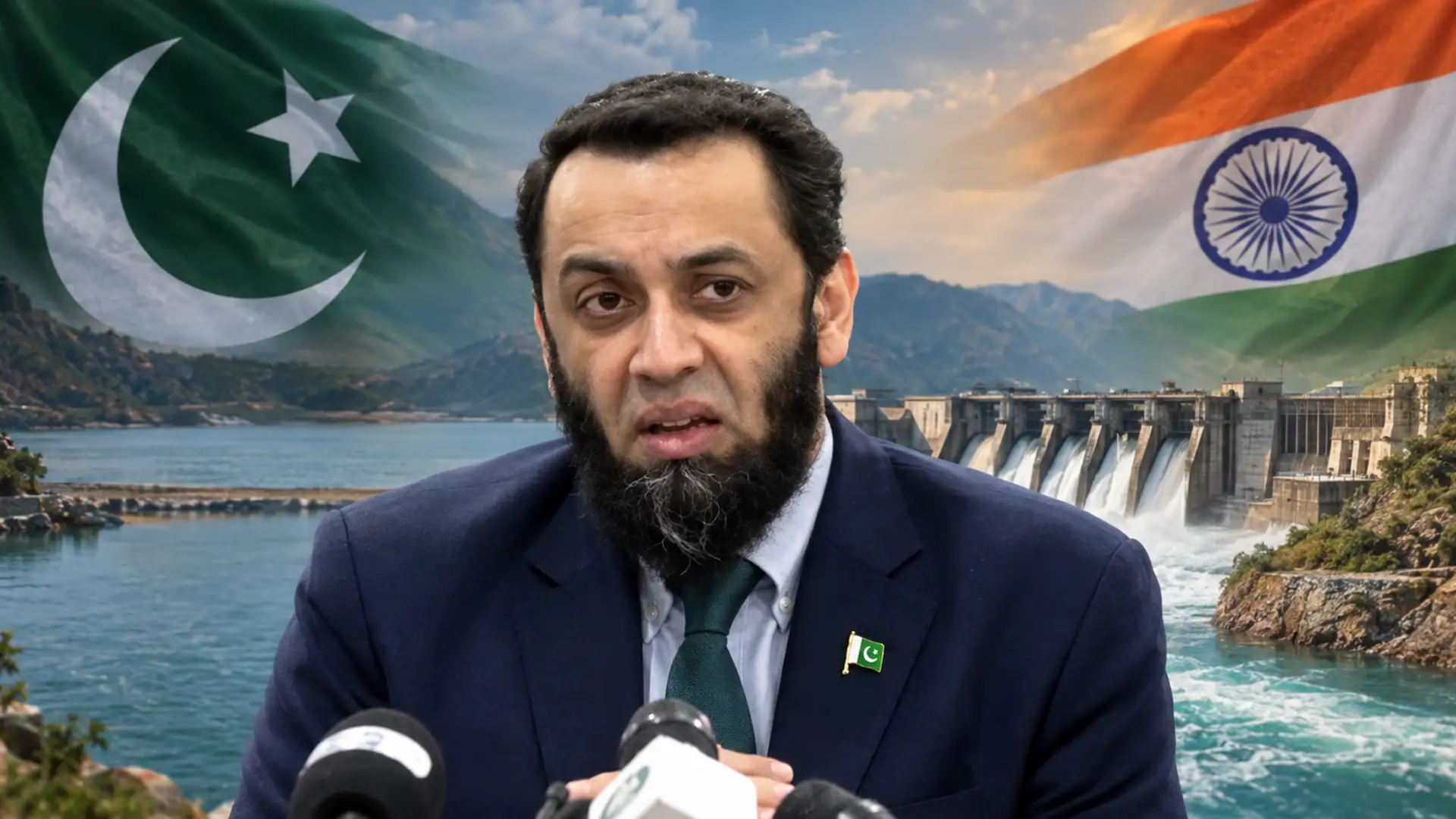
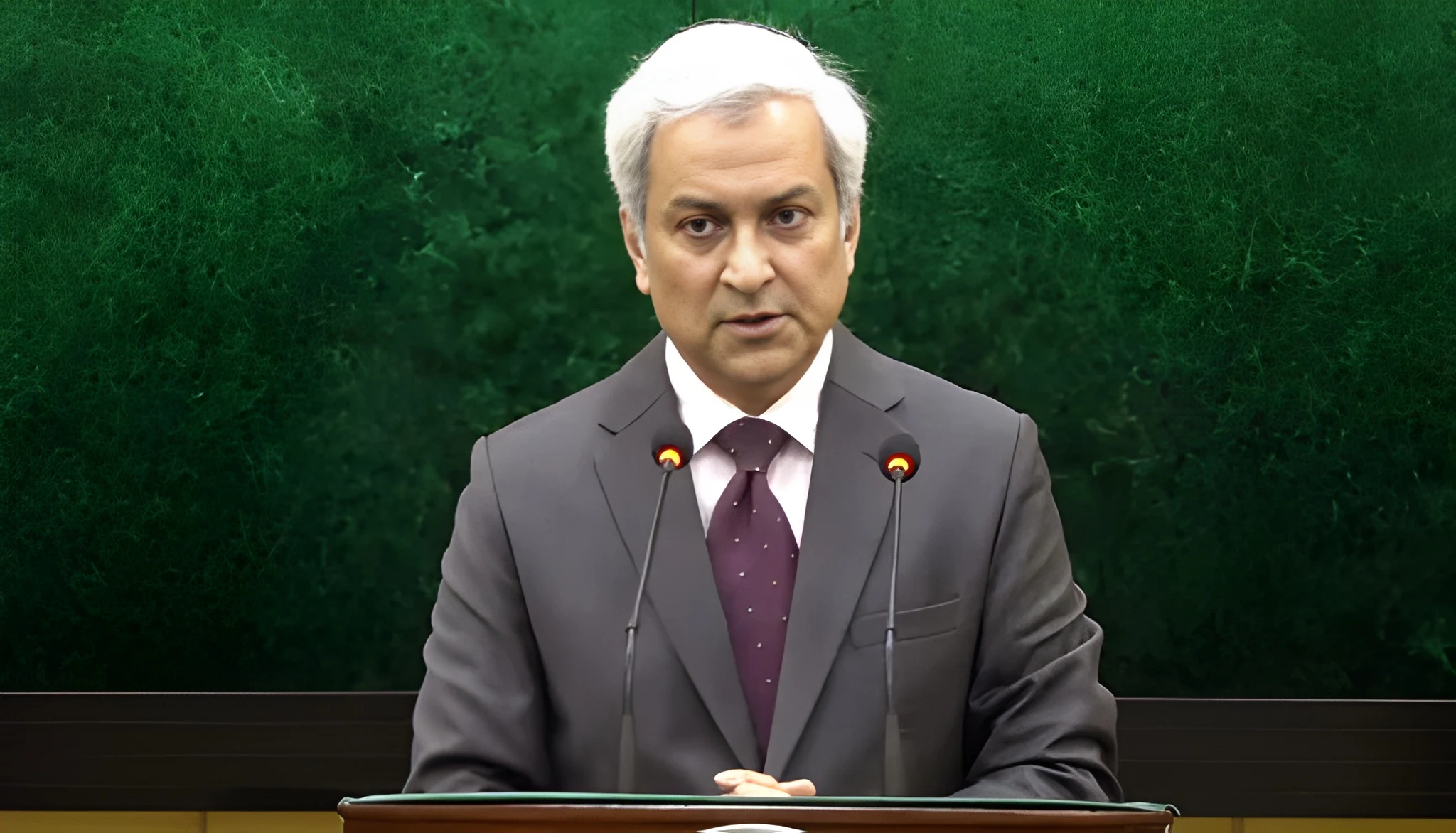
"Despite recent escalations, we remain hopeful, and we will continue to strive for dialogue and diplomacy," Foreign Office Spokesperson Tahir Andrabi said at a weekly press briefing on Wednesday.
Renewed fighting ends a period of relative calm since July, during which Washington and Tehran largely withheld fire but showed little interest in resuming talks.
Andrabi said both sides had carried out armed attacks and retaliatory strikes in the US-Iran conflict, while Islamabad was closely monitoring the situation.
He said armed conflicts typically move through stages of de-escalation, calm, ceasefire and eventually a return to the negotiating table.
Describing the current escalation as "concerning and undesirable", he said Pakistan had not lost hope in the peace process.
The spokesperson said the latest US-Iran escalation could not be characterised as a failure of Islamabad's diplomatic efforts, adding that the country was engaging in the peace process with complete sincerity to help resolve the US-Iran conflict.
Andrabi said Pakistan’s diplomatic efforts would continue and expressed hope that the two sides would eventually return to the negotiating table once the current escalation subsided.
He said the Islamabad Memorandum of Understanding (MoU) provided a framework for bringing the parties back to negotiations and could be used if they were willing to resume talks.
The Islamabad MoU was agreed between Tehran and Washington on June 18 as a 14-point interim framework aimed at ending the conflict.
Islamabad has since continued to facilitate communication between the two sides and promote dialogue, de-escalation and a peaceful resolution.
Under the Islamabad MoU, the parties could restart negotiations at political and technical levels to work towards a long-term and sustainable solution, the FO spokesperson added.
Andrabi said the peace framework outlined in the Islamabad MoU remained in place and there was no question of declaring it dead or ineffective.
He said it was not unusual for both sides to issue strong statements during periods of heightened tensions, adding that Islamabad remained hopeful about the eventual resumption of negotiations.
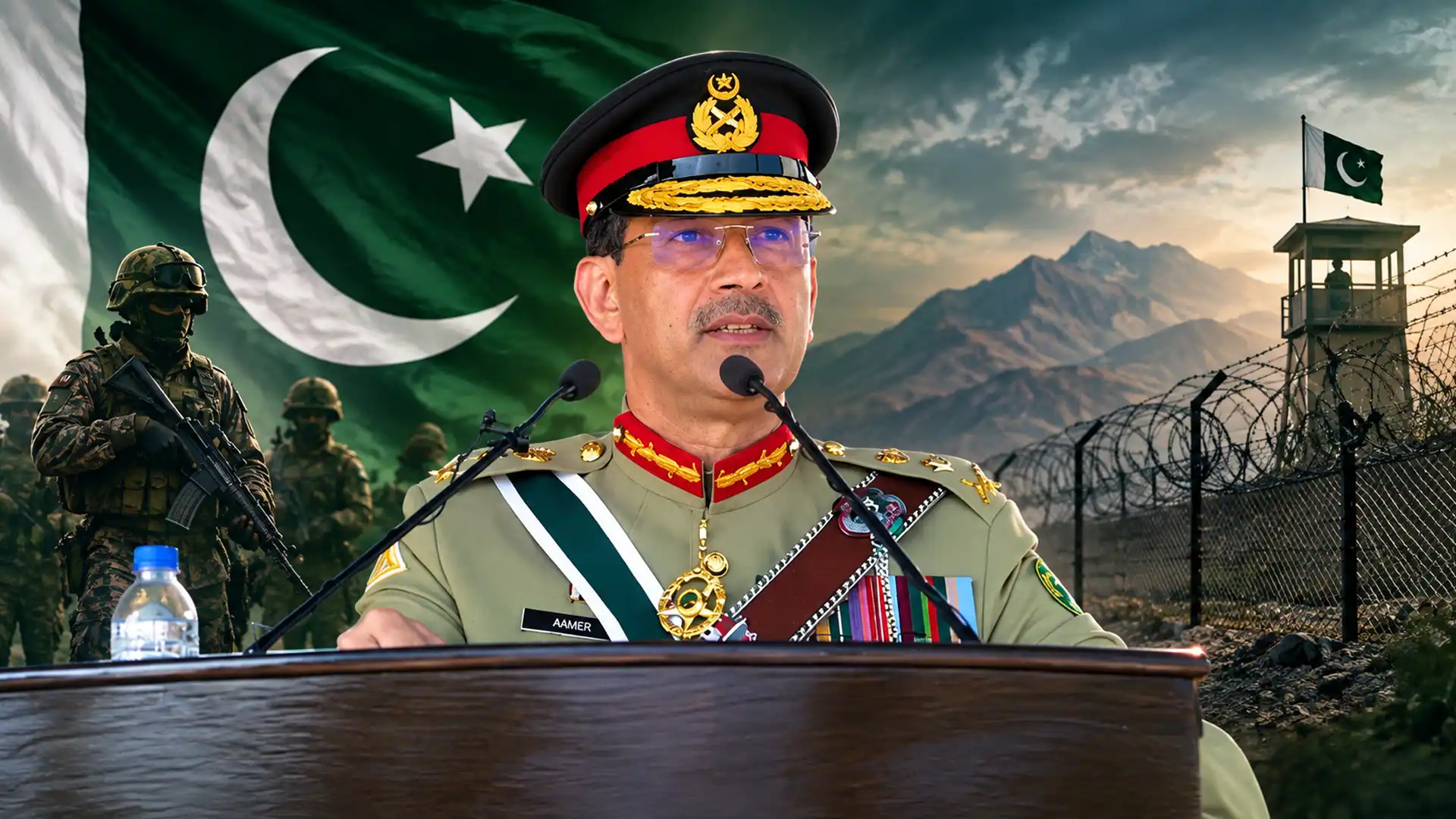
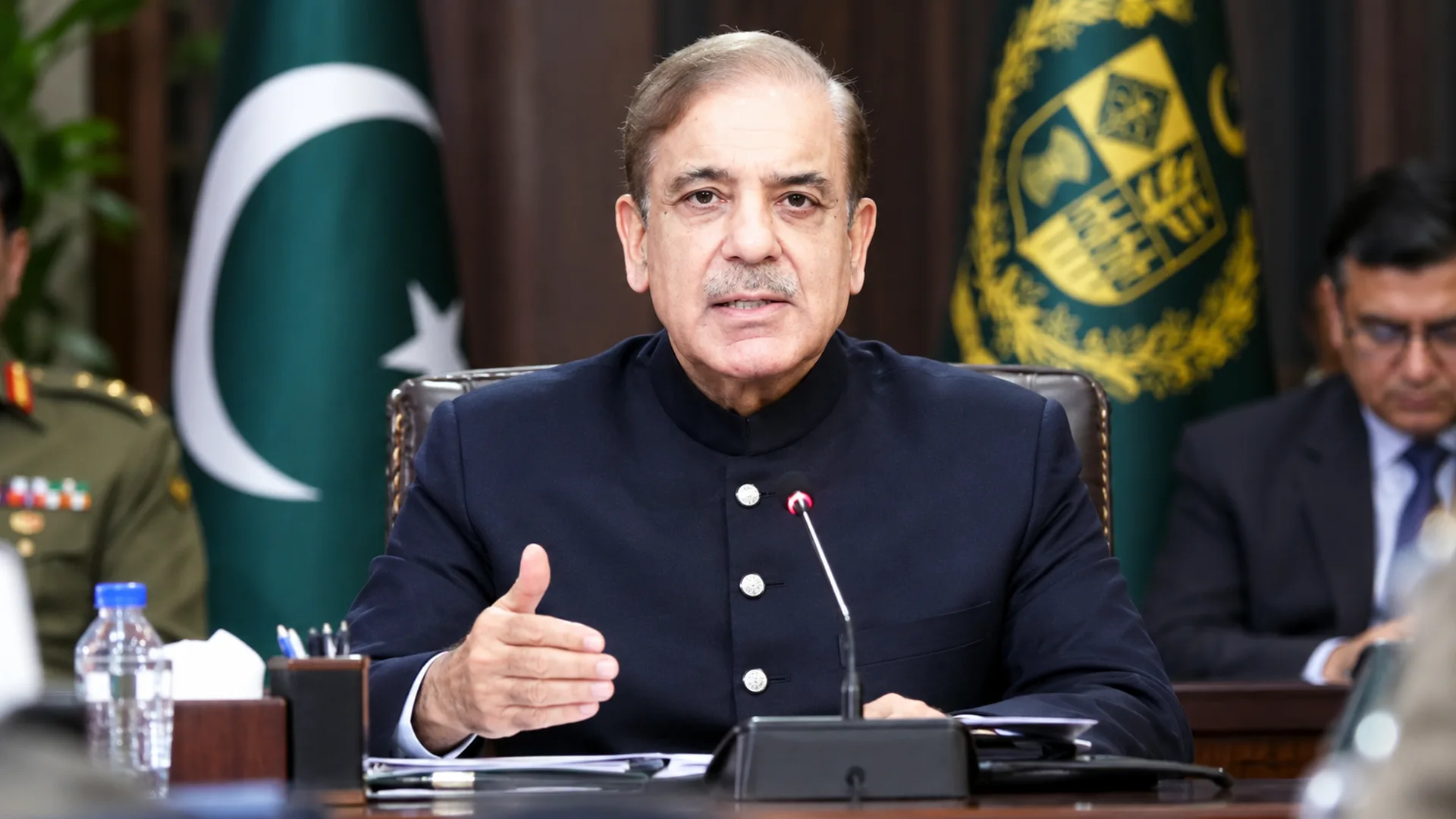
Andrabi said Chief of Defence Forces (CDF) and Chief of Army Staff (COAS) Field Marshal Syed Asim Munir's visit to Tehran last week had been an important part of those diplomatic efforts.
He said the CDF's visit focused on reducing regional tensions and resolving the conflict through negotiations, while creating fresh momentum in the diplomatic process.
The spokesperson said visits by the leadership of Oman and Qatar following the Tehran trip also demonstrated momentum in efforts to resolve the conflict.
He said Pakistan would continue pursuing dialogue and diplomacy to promote peace and stability in the region.
Indus Waters Treaty
On the Indus Waters Treaty (IWT), Andrabi said the Permanent Court of Arbitration at The Hague had reaffirmed that the treaty remained fully enforced and binding, rejecting India’s unilateral attempt to place it in so-called abeyance.
Two days ago, the Hague-based court said that the treaty between the two countries remained fully in force, as India had no justification for ending or suspending the agreement.
The court said a neutral expert, appointed by the World Bank, would judge by July 2027 whether the construction of hydroelectric plants in the Himalayan region was in line with the treaty.
India placed the treaty in abeyance after 26 people were killed in Indian Illegally Occupied Jammu and Kashmir in April 2025, accusing Pakistan of involvement. Pakistan denied the allegation, while intense fighting followed in May before a US-brokered ceasefire.
In his briefing today, the FO spokesperson said the unanimous award of the Court of Arbitration constituted an important reaffirmation of the sanctity of the IWT and the rule of international law.
The court had confirmed that India's purported decision to place the treaty in abeyance did not relieve it of its obligations under the agreement, while the treaty’s dispute-settlement mechanism remained operative, the spokesperson said.
Andrabi said an interim measure concerning the Ratle Hydro-Electric Power project further affirmed that rights and obligations under the treaty could not be altered or displaced through unilateral action.
"Pakistan welcomes these clear and authoritative pronouncements," he said, adding that they validated Islamabad's consistent position that differences concerning the IWT must be addressed strictly within the framework of the treaty and in accordance with international law.
Makkah Joint Defence Agreement
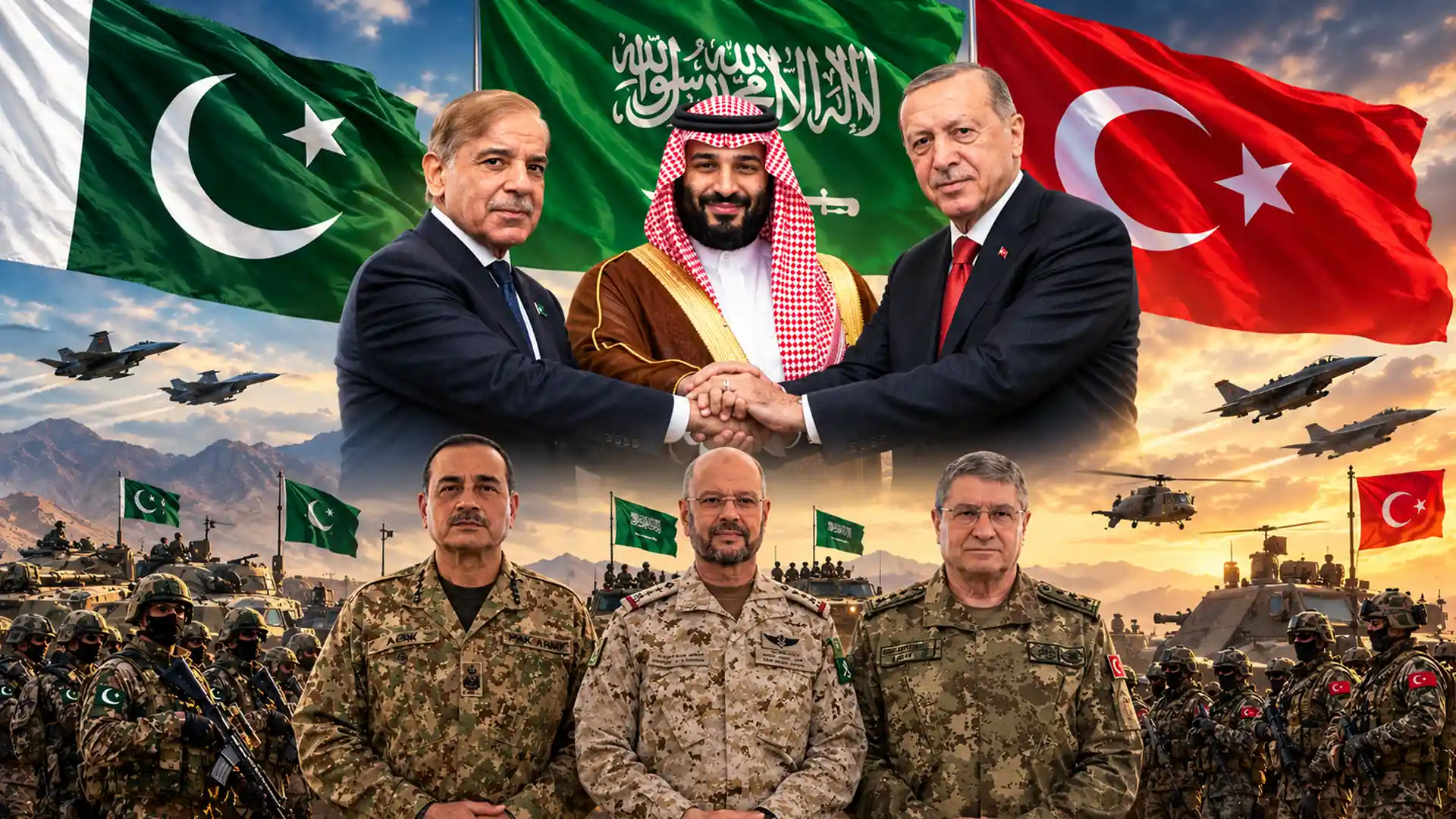
On the Makkah Joint Defence Agreement, the spokesperson said its Strategic Political and Defence Committee held its inaugural meeting in Istanbul on August 31.
Pakistan, Saudi Arabia and Turkiye agreed to institutionalise cooperation under the agreement, strengthen collective defence and enhance joint security, he said.
The three countries also reaffirmed their commitment to regional peace and stability through the resolution of crises and reduction of tensions.
A secretariat for the agreement would be established in Saudi Arabia, while its secretary-general would initially be appointed from Pakistan for a three-year term, he added.
The three sides would further expand cooperation in defence industries, joint technology development and enhancing the capabilities of their armed forces.