

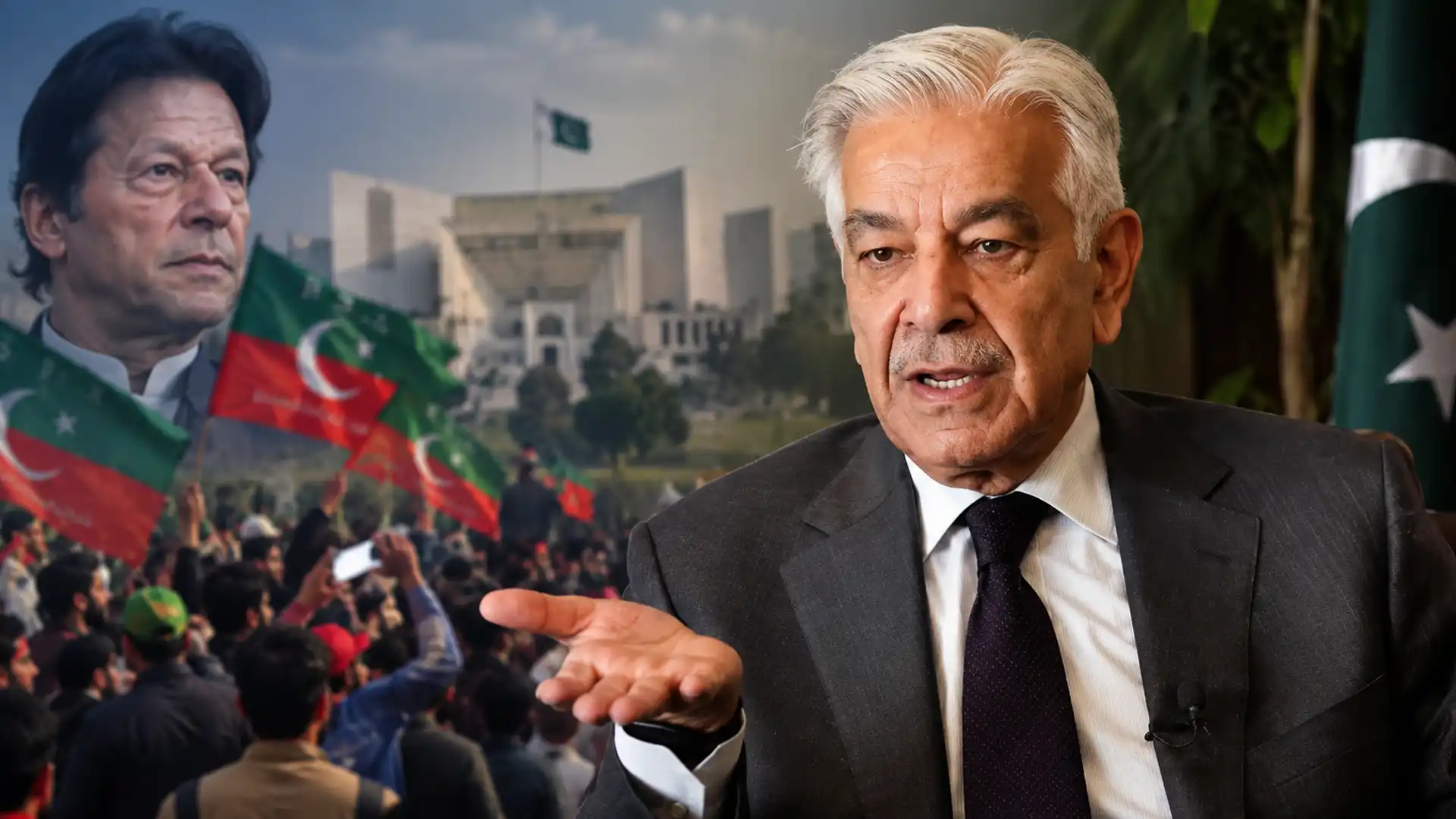
‘India Now Stands Exposed,’ Says Bilawal After Malaysian PM Rebuts Delhi
Published On 14 Sep, 2026
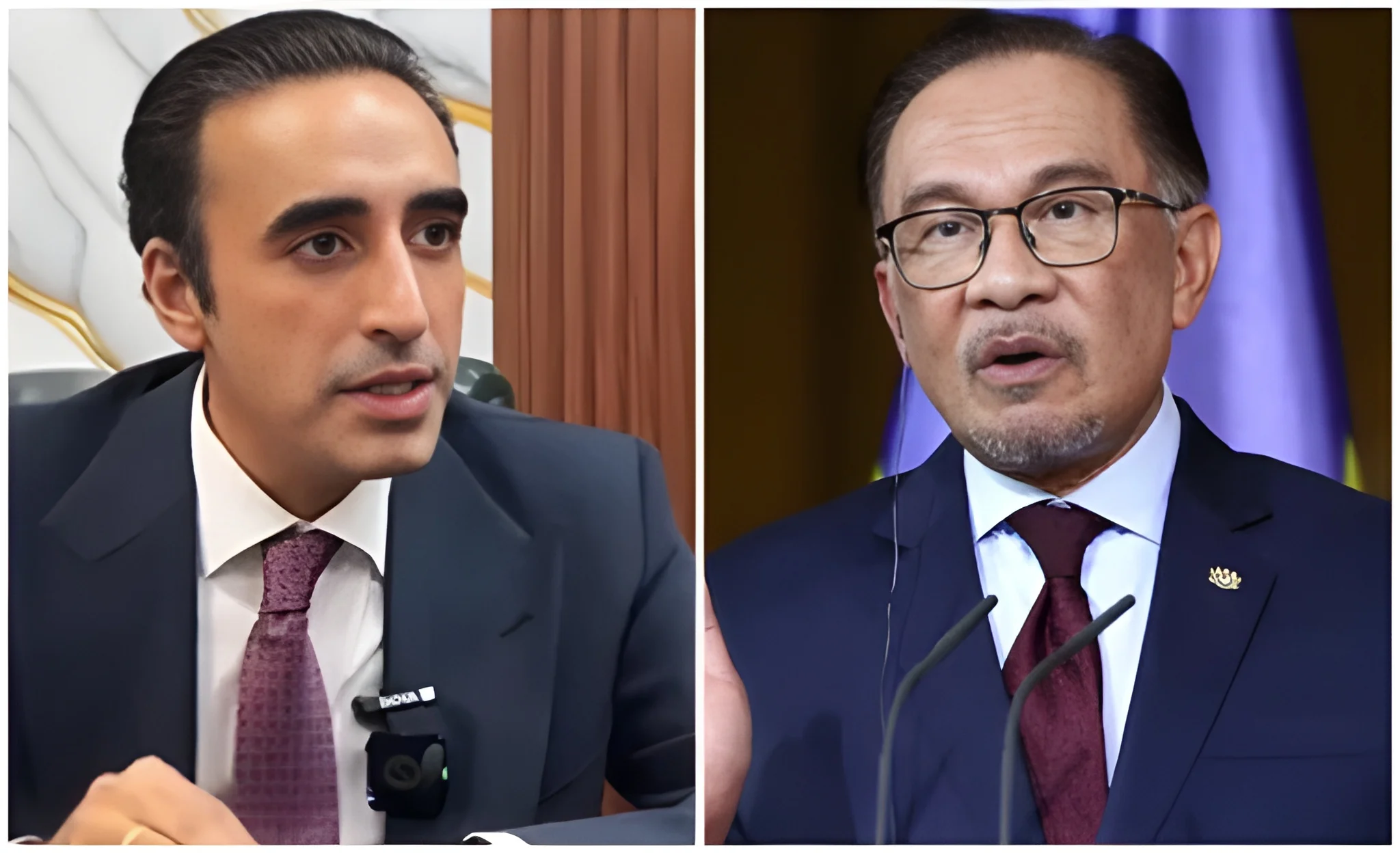
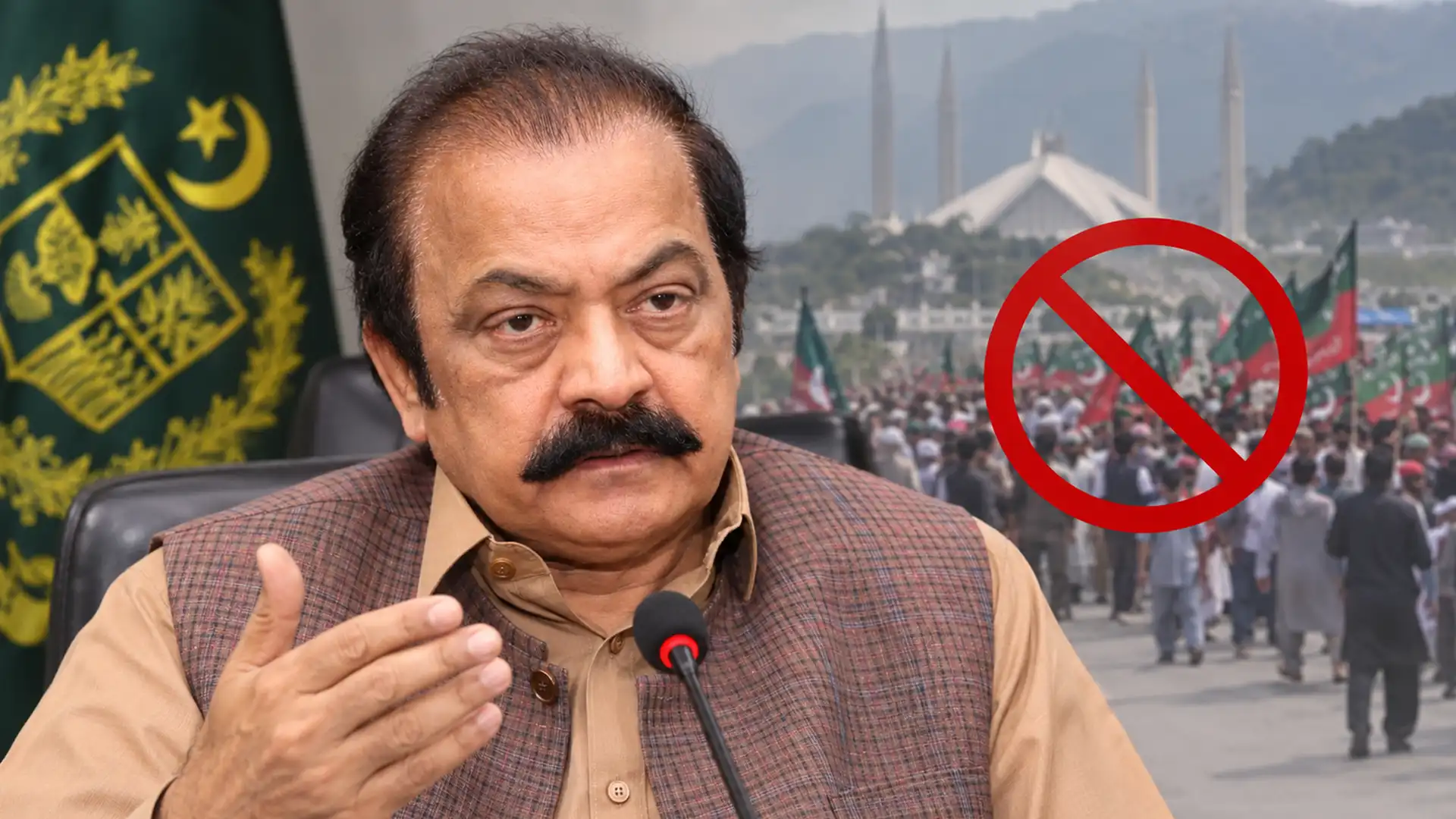
Pakistan Peoples Party (PPP) Chairman Bilawal Bhutto-Zardari has praised Malaysian Prime Minister Anwar Ibrahim for rejecting India's attempt to link Pakistan with terrorism, saying New Delhi now stands exposed internationally.
In a post on X, the former foreign minister said Ibrahim was "exposing Indian propaganda" during his appearance on Indian television.
Ibrahim had rejected an attempt by an Indian television interviewer to link Pakistan to the April 2025 Pahalgam attack, saying Malaysia's security agencies had not told him that the Pakistani state was involved in terrorism and that he had not been provided with any evidence establishing such a connection.
"The truth is India started a war based on a lie and lost miserably. India now stands exposed internationally," the PPP chairman said.
Bilawal said India must now live up to its commitments made at the time of the ceasefire and agree to discuss "all friction points" with Pakistan.
"So we can together bring peace, prosperity and stability to our region," he added.
The former foreign minister's remarks came after Ibrahim made the comments during an interview with Indian broadcaster NDTV on the sidelines of the Brics Summit in New Delhi.
The Malaysian premier was asked about the Pahalgam attack after the interviewer sought to draw a connection between Pakistan and the incident.
Ibrahim said he had not been presented with evidence linking the Pakistani state to terrorism. He also said Malaysia's security agencies had not informed him of any Pakistani state involvement in terrorism.
His remarks effectively rejected any attempt to establish Islamabad's involvement in the Pahalgam attack.
During the interview, the Malaysian leader was also asked whether Israel's actions in Gaza amounted to state terrorism. He replied in the affirmative, describing them as "state terrorism".
The Pahalgam attack took place on April 22, 2025, in Indian Illegally Occupied Jammu and Kashmir (IIOJK), killing 26 people, mostly tourists. India accused Pakistan of involvement in the attack, but Islamabad rejected the allegation and called for a neutral investigation.
On May 6-7, India launched military strikes against Pakistan, triggering an armed conflict between the two nuclear-armed neighbours.
Pakistan responded to the Indian offensive, with its armed forces shooting down eight Indian fighter jets, including French-made Rafale aircraft, as well as dozens of drones during the 87-hour conflict.
A US-brokered ceasefire subsequently brought an end to the fighting, with Pakistan urging dialogue to resolve outstanding issues.