Pakistan and IMF Reach $1.2 Billion Staff-Level Deal
Published On 09 Oct 2026
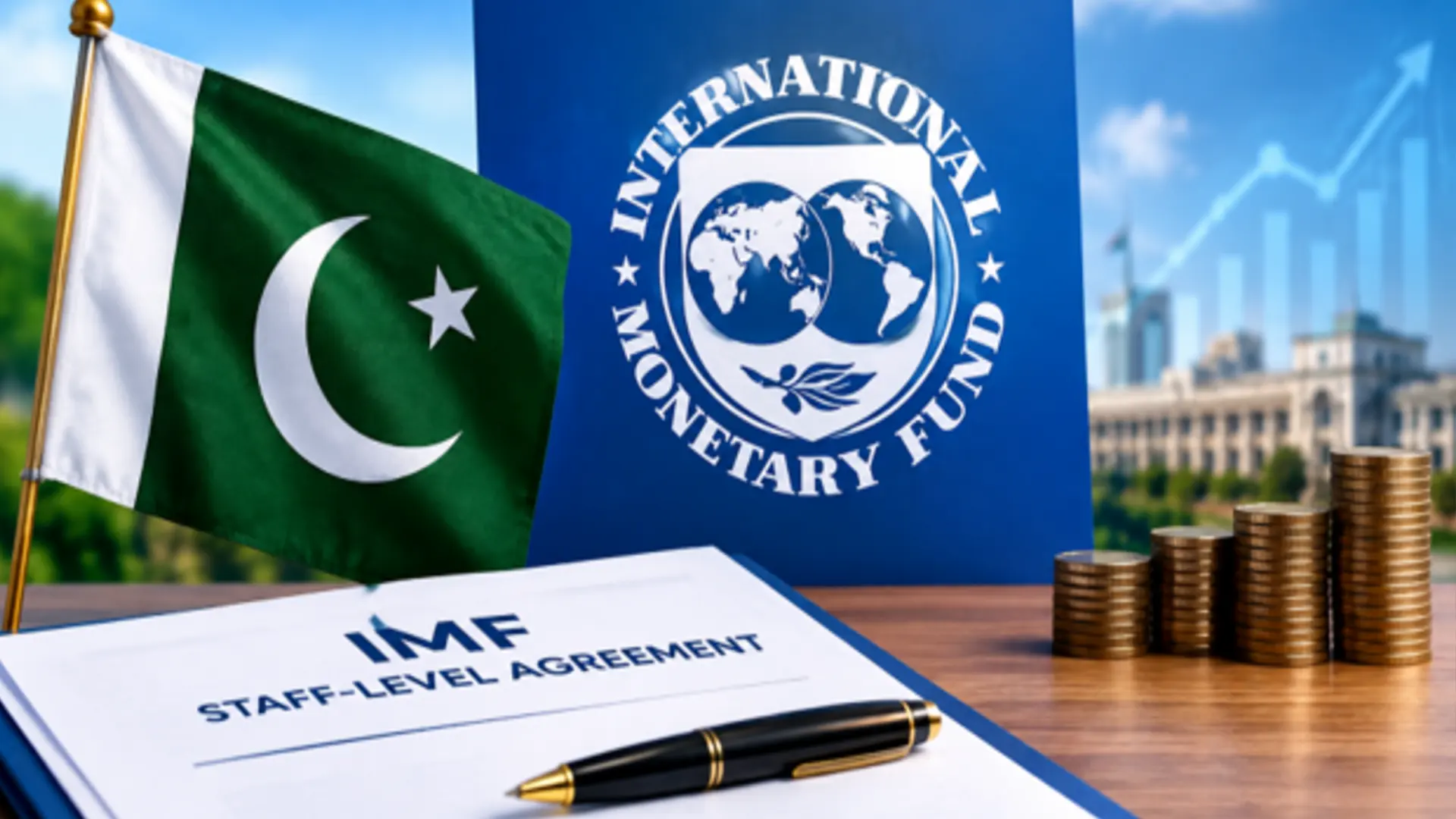
Pakistan and the International Monetary Fund (IMF) have reached a staff-level agreement that could unlock around $1.2 billion in financing for the country. The development came after the latest review of Pakistan’s IMF-supported programs and is being closely followed because of its possible impact on the country’s economy, reserves and financial stability.
The agreement covers the fourth review of Pakistan’s $7 billion Extended Fund Facility and the third review of the IMF’s Resilience and Sustainability Facility. The proposed financing is still subject to approval by the IMF Executive Board.
The latest development follows earlier IMF review talks, during which Pakistan discussed its economic performance, reform commitments and measures under the ongoing IMF program.
For readers who want to follow this development along with other major events, visit the latest news updates for coverage of Pakistan, business, world affairs and other important stories.
What Is the Pakistan IMF Deal?
The Pakistan IMF deal is part of the financial support programs agreed between Pakistan and the IMF. These programs are designed to help Pakistan improve economic stability, strengthen public finances, build financial buffers, and make important structural reforms.
The latest staff-level agreement could provide approximately $1.21 billion in financing after the required approval process is completed. Around $1 billion is linked to the Extended Fund Facility, while about $210 million is associated with the Resilience and Sustainability Facility.
A staff-level agreement does not mean that the money has already been released. The IMF Executive Board must approve the agreement before the financing can be disbursed.
Why Is the $1.2 Billion Deal Important?
The IMF $1.2 billion deal is important because Pakistan continues to manage pressure on its external finances and energy costs. Additional financing can help strengthen foreign exchange reserves and support the country's ability to meet external financial needs.
The IMF has said that Pakistan’s foreign exchange position has improved compared with earlier periods, while the country continues to focus on fiscal and structural reforms.
The financing is therefore not simply about receiving money. It is also connected with Pakistan’s wider economic reform program.
What Programs Are Covered by the Agreement?
The latest Pakistan IMF agreement involves two major IMF programs.
Extended Fund Facility
The Extended Fund Facility, commonly known as the EFF, is the main IMF program supporting Pakistan’s economic reform efforts. Pakistan’s current EFF arrangement was approved in September 2024 for a period of 37 months, with total access of about $7 billion.
The program focuses on areas such as improving public finances, strengthening revenue collection, supporting monetary stability, and making structural reforms.
Resilience and Sustainability Facility
The second program is the Resilience and Sustainability Facility, or RSF. It supports longer-term reforms that can help countries manage climate-related and other structural risks.
The program can support reforms related to climate information, green transport, water resilience, disaster risk financing, and climate-related financial management.
Together, these programs make the latest agreement important for both short-term financial stability and longer-term economic planning.
What Does the Agreement Mean for Pakistan’s Economy?
The new IMF staff-level agreement can provide additional financial support at a time when Pakistan is dealing with several economic challenges.
One possible benefit is stronger foreign exchange reserves. Better reserves can help the country manage payments for imports and external obligations. The financing may also support confidence among international financial institutions and investors.
However, the agreement does not solve every economic problem immediately. Pakistan still needs to continue implementing the reforms connected with the IMF programs.
Changes in energy prices and international economic conditions can also affect Pakistan’s economy. These factors may influence inflation, economic growth, and the country's external financial position.
What Reforms Will Pakistan Need to Continue?
Pakistan’s IMF program includes several areas of reform. These include improving tax collection, controlling government spending, strengthening public financial management, and improving the performance of state-owned enterprises.
The government is also expected to continue work on energy-sector reforms and measures designed to protect vulnerable households.
The IMF has highlighted priorities such as maintaining a sustainable fiscal position, strengthening social protection, improving revenue collection, and supporting important areas such as health and education spending.
These reforms matter because long-term economic stability depends on more than short-term financial assistance.
How Could the Deal Affect Ordinary People?
Many people may wonder how an IMF agreement affects their daily lives. The impact is not always immediate or easy to see.
Economic reforms can influence areas such as taxes, energy prices, government spending, inflation, and employment. At the same time, stronger financial reserves can help Pakistan manage external payment pressures and maintain access to international financing.
The results will depend on how the government implements the agreed policies and how international economic conditions develop.
For students, workers, business owners, and families, economic news is important because national economic decisions can eventually affect household expenses, job opportunities, business activity, and the cost of goods and services.
What Happens After the Staff-Level Agreement?
The next major step is approval by the IMF Executive Board. Until that approval is completed, the proposed financing should not be described as fully disbursed.
If the Board approves the agreement, Pakistan could receive the expected financing under the relevant IMF programs. The process will also involve continued reviews and monitoring of the country’s economic commitments.
This means the latest announcement is an important step, but it is not the final stage of Pakistan’s IMF program.
Stay Updated With the Latest Pakistan News
The Pakistan economy remains an important topic for citizens, students, businesses, and investors. Developments involving the IMF can also lead to wider discussions about inflation, taxes, energy prices, foreign exchange reserves, and economic growth.
The news platform covers major developments across Pakistan and provides updates on business, politics, world affairs, sports, technology and other important topics. Readers can visit 9 News HD to stay informed about major developments as they happen.
Final Thoughts
Pakistan and the IMF have reached a new staff-level agreement that could unlock around $1.2 billion in financing, subject to approval by the IMF Executive Board. The agreement covers reviews under the Extended Fund Facility and the Resilience and Sustainability Facility.
The development may strengthen Pakistan’s financial position, but continued economic reforms will remain important. The coming weeks will show how the agreement moves through the approval process and what effect the financing and related policies have on the country’s economy.
For readers, following reliable and timely news is important when major economic decisions can affect everyday life. 9 News HD will continue to provide updates as the situation develops.