
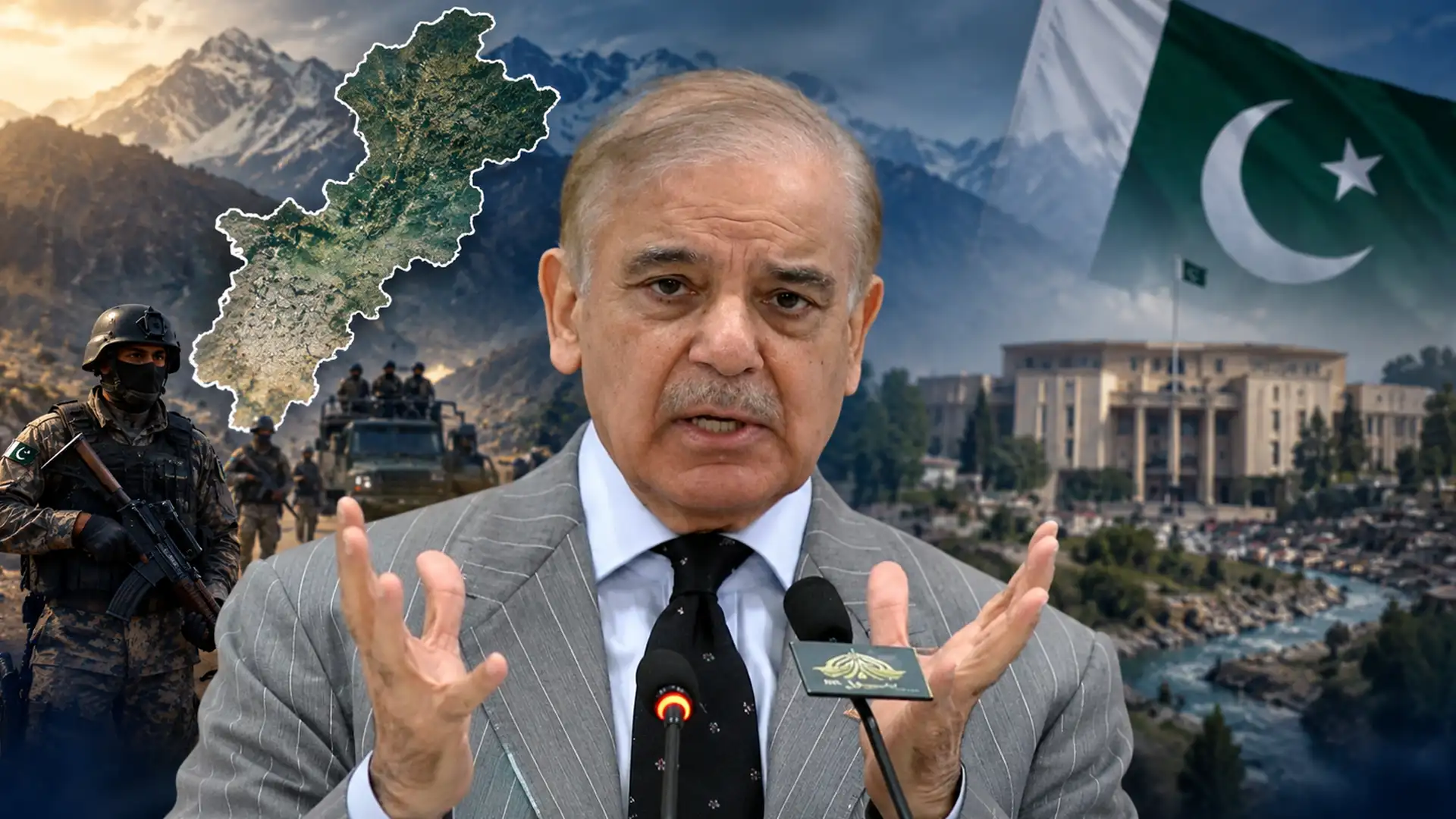

Pakistan’s Political Landscape: A Comprehensive Guide to Power, Policy, and Challenges
Published On 05 Jan 2026
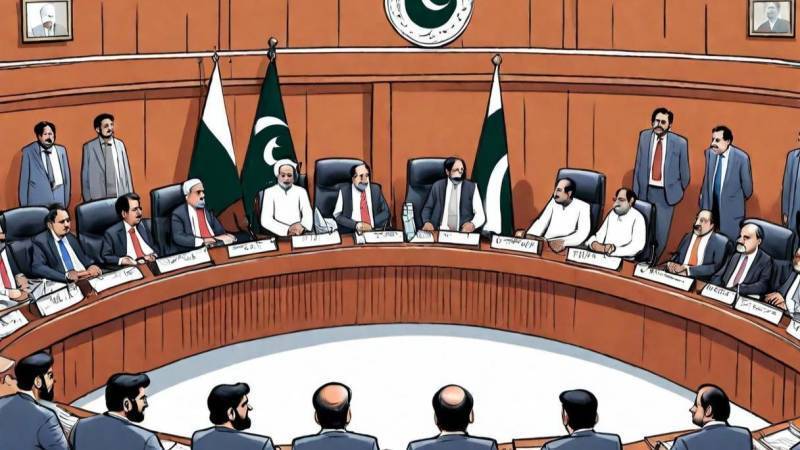
Pakistan’s political landscape is constantly evolving, shaped by historical events, regional dynamics, and internal challenges. For anyone trying to understand the current scenario, it is essential to look at the power structure, key issues, and the forces that influence decision-making in the country. In this article, we explain Pakistan’s politics in a clear and concise way, highlighting the most important elements shaping the nation today.
Understanding the Power Structure in Pakistan
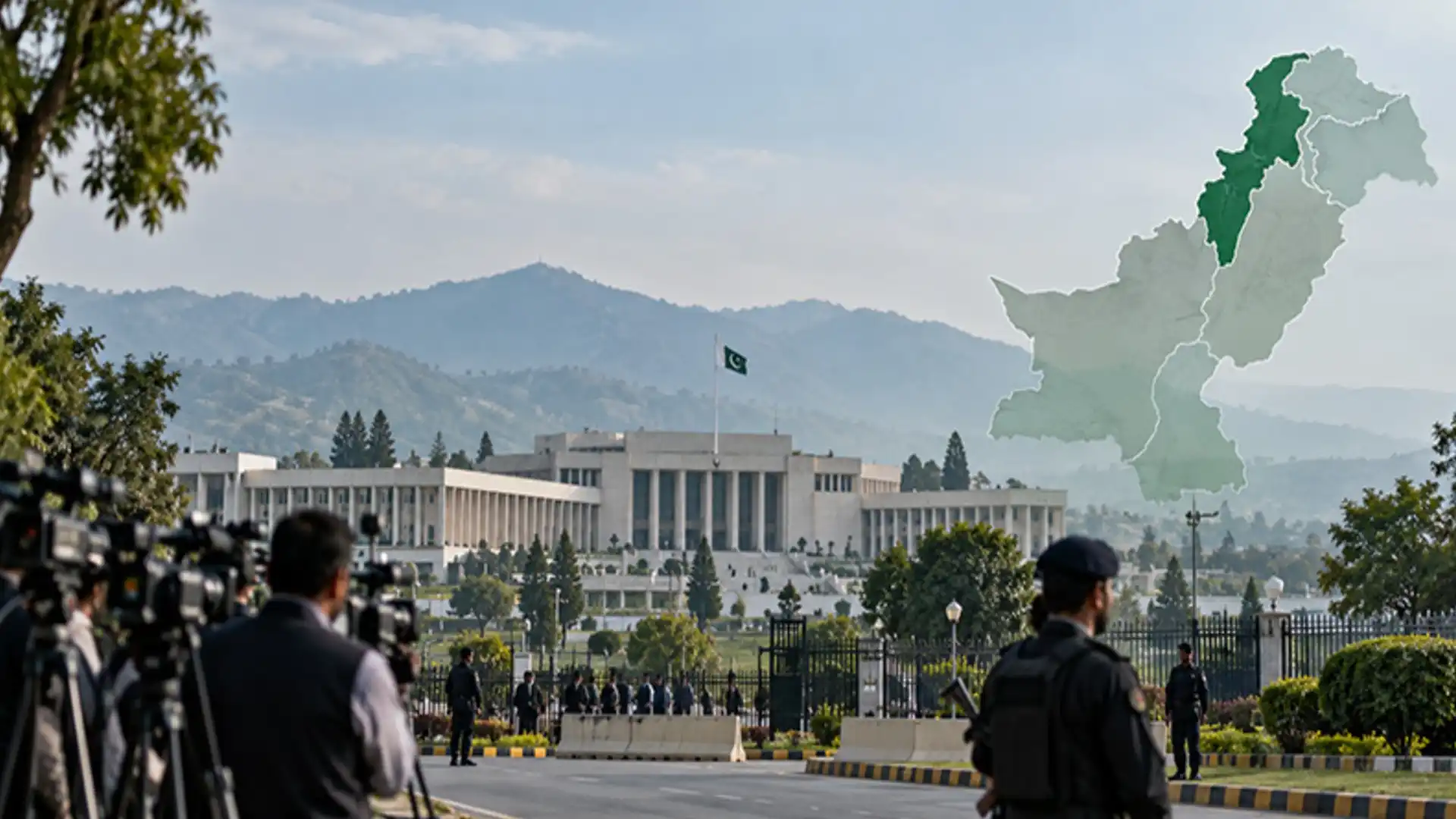
Pakistan follows a federal parliamentary system where power is shared between the federal government and the provinces. The political structure includes the President, Prime Minister, Parliament, Judiciary, and provincial governments. However, the reality of power distribution often involves influential institutions and non-political actors that affect major decisions.
The Role of the Executive
The Prime Minister holds significant executive authority, overseeing government policies and administration. The cabinet, appointed by the Prime Minister, plays a crucial role in managing ministries and implementing national plans.
Parliament and Legislative Power
Pakistan’s Parliament consists of two houses: the National Assembly and the Senate. The National Assembly represents the population through elected members, while the Senate ensures equal representation for all provinces. Legislative power is used to create laws, approve budgets, and oversee government performance.
Judiciary and Constitutional Balance
The judiciary plays a critical role in interpreting the Constitution and ensuring the rule of law. Courts often influence politics through key decisions, especially regarding elections, governance, and civil rights.
Current Issues Shaping Pakistan Politics
Pakistan is currently facing several challenges that have a major impact on political stability and governance. These issues are not only economic but also social and institutional.
Economic Challenges and Inflation
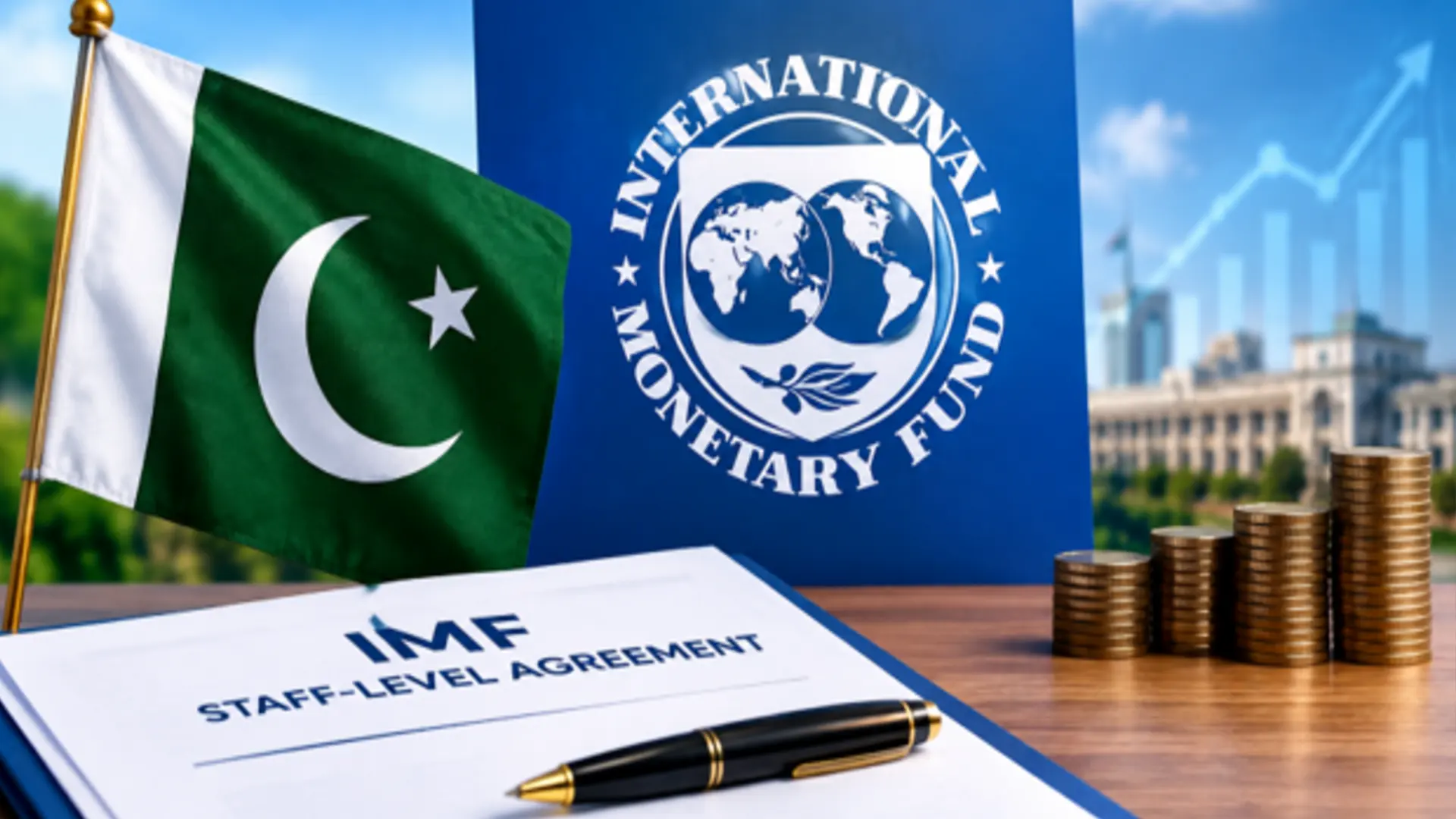
One of the biggest issues in Pakistan’s politics is the economic crisis. High inflation, rising debt, and unemployment affect daily life and political sentiments. Economic policies and IMF programs are frequently debated, shaping public opinion and government priorities.
Political Polarization and Governance
Political polarization has increased over the years, with major parties often clashing over power and governance. This polarization affects policymaking and creates instability, especially during election cycles and major political events.
Security and Regional Dynamics
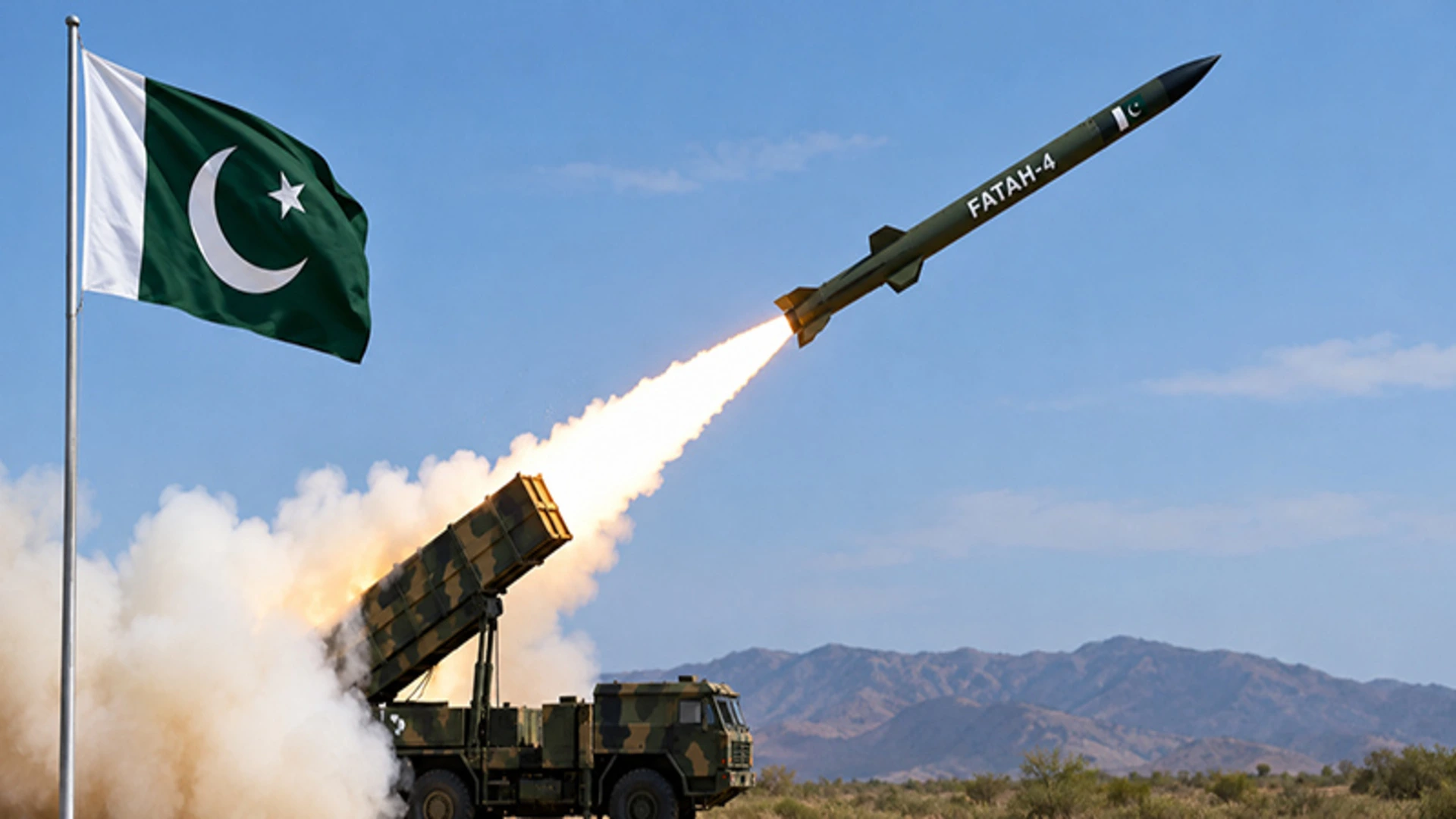
Security concerns, especially related to border issues and regional conflicts, remain a major factor. Pakistan’s geopolitical position influences its foreign policy, defense spending, and political decisions. Relations with neighboring countries also play a role in shaping national politics.
Why Understanding Pakistan Politics Matters
Pakistan’s political situation impacts not only the country’s internal stability but also its role in regional and global affairs. For citizens, understanding politics helps in making informed decisions during elections and in holding leaders accountable. For the international community, Pakistan’s political direction affects economic partnerships and diplomatic relations.
Pakistani News and Media Influence
Pakistani news plays a significant role in shaping public opinion. Media coverage of politics, elections, and social issues affects how citizens view their leaders and policies. News channels and online platforms report on the latest developments, helping people stay informed about both national and world events.
Sports and Politics: A Growing Connection
Sports in Pakistan, especially cricket, has a strong connection with politics. Government policies, sponsorships, and international relations often influence sports decisions. Major sporting events can also bring national unity during political uncertainty, making sports an important part of Pakistan’s social landscape.
World Events Impacting Pakistan
Global events such as regional conflicts, international trade trends, and diplomatic relations directly affect Pakistan. The world’s political climate influences Pakistan’s economy, security strategies, and foreign policies. Therefore, understanding global politics is crucial for analyzing Pakistan’s future.
About Pakistan’s Political Landscape
In summary, Pakistan’s politics is a mix of democratic institutions and influential non-political forces. The power structure includes the executive, legislative, and judicial branches, but real political dynamics are often shaped by history, economic conditions, and regional challenges. To fully understand Pakistan’s politics, one must look at both formal institutions and informal power centers.
Biography of Key Political Actors (Brief Overview)
The political arena in Pakistan is led by major parties and influential leaders whose decisions shape the nation’s future. From the Prime Minister and key ministers to opposition leaders and provincial chiefs, these actors play a significant role in national politics. Their biographies, political history, and public policies influence how the country navigates its challenges. Read more