Impact of Social Media on Political Campaigns in Pakistan: A 2025 Outlook
Published On 12 Dec 2025
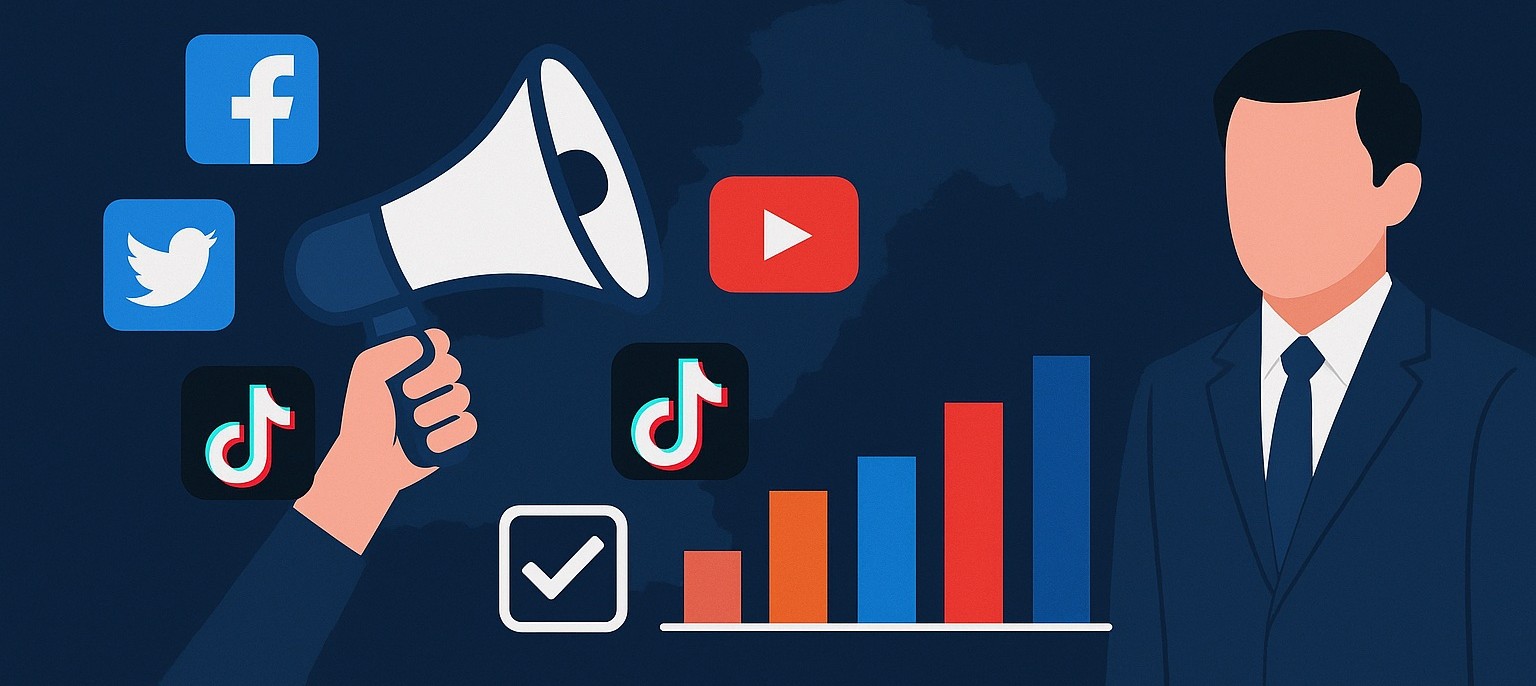
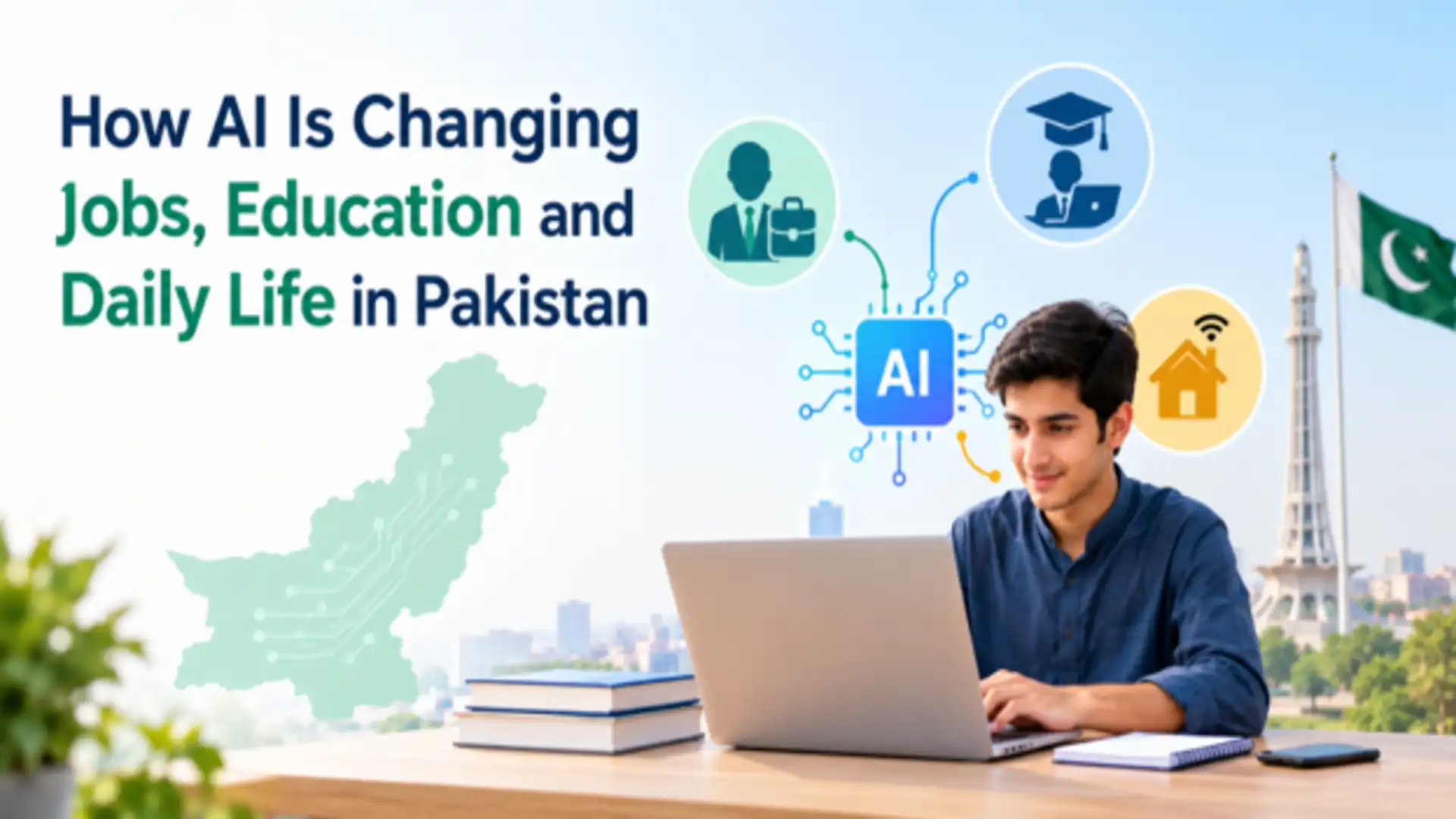
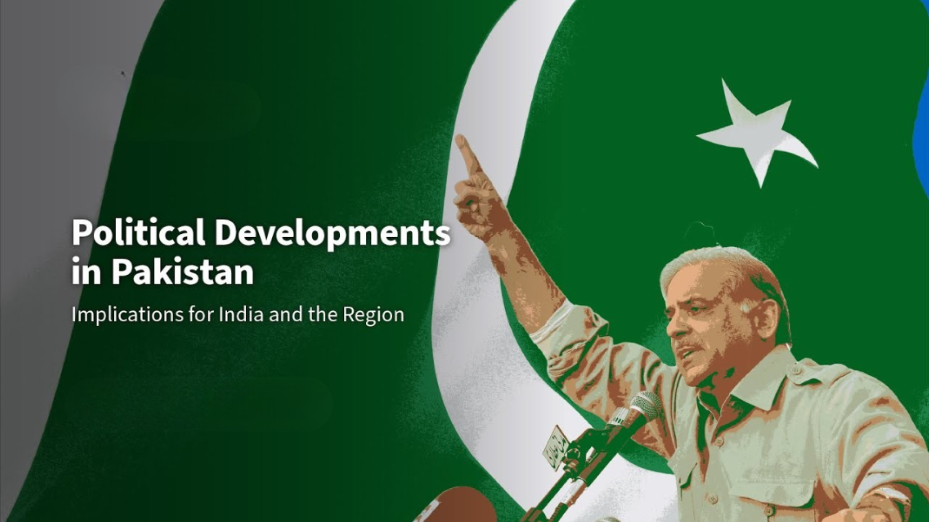
Social media has transformed political communication across the globe, and Pakistan is no exception. By 2025, platforms like Facebook, X (formerly Twitter), YouTube, TikTok, and WhatsApp will have become powerful tools shaping political narratives, influencing voter behavior, and redefining election campaigns. With a digitally active population and a growing youth voter base, social media now plays a central role in Pakistan’s political ecosystem.
Rise of Digital Politics in Pakistan
Over the past decade, political parties in Pakistan have shifted from traditional rallies and print media to digital-first strategies. Political leaders now directly engage with voters through live streams, short videos, and interactive posts. This shift has reduced reliance on mainstream media while allowing parties to control their messaging more effectively.
By 2025, digital political campaigning will have evolved into a data-driven process, where voter sentiment is analyzed in real time to adjust campaign strategies.
Role of Social Media Platforms in Political Campaigns
Different platforms serve different political purposes in Pakistan:
- Facebook remains a key platform for political pages, campaign announcements, and community engagement.
- X (Twitter) is widely used for political discourse, breaking news, and trend-based campaigning.
- YouTube plays a major role in long-form political content, interviews, and digital talk shows.
- TikTok has emerged as a powerful tool for reaching younger voters through short, emotional, and viral content.
- WhatsApp is extensively used for grassroots mobilization, voter coordination, and private political messaging.
Together, these platforms enable political parties to reach millions of voters instantly.
Influence on Voter Awareness and Youth Engagement
Pakistan has a young population, with a significant percentage of voters under the age of 35. Social media has become the primary source of political information for this demographic. In 2025, political awareness among youth is increasingly shaped by digital content rather than traditional news outlets.
Social media encourages political participation through:
- Online debates and discussions
- Political memes and satire
- Live question-and-answer sessions
- Digital voter awareness campaigns
This has led to higher political engagement but also increased polarization.
Political Branding and Narrative Building
Political campaigns in Pakistan now focus heavily on branding. Leaders carefully craft their online image, messaging tone, and visual identity. Social media helps shape narratives around governance, corruption, economic performance, and national security.
Hashtags, slogans, and viral videos play a critical role in influencing public opinion. A single trending topic can dominate the national conversation within hours, making social media a decisive battlefield during election seasons.
Challenges: Misinformation and Fake News
While social media has democratized political communication, it has also introduced serious challenges. By 2025, misinformation, deepfakes, and propaganda campaigns will pose major risks to democratic processes in Pakistan.
Fake news spreads rapidly, often influencing public perception before facts can be verified. Political opponents frequently accuse each other of running coordinated disinformation campaigns, making trust in online content a growing concern.
Role of Algorithms and Paid Political Advertising
Social media algorithms significantly impact what voters see. Sponsored political content, targeted ads, and promoted posts allow campaigns to reach specific voter groups based on location, interests, and behavior.
In Pakistan, paid digital advertising has become a core component of political budgets. However, concerns remain about transparency, data privacy, and the regulation of political ads on social platforms.
Government Regulation and Platform Responsibility
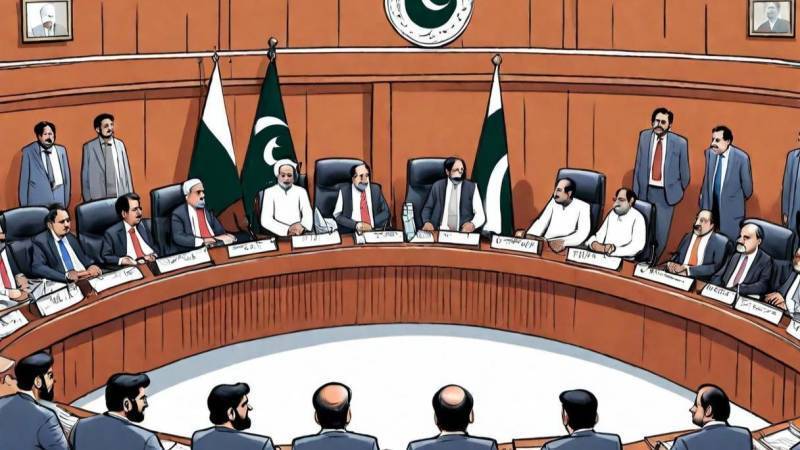
By 2025, Pakistani authorities will have increased scrutiny of digital political content. Regulatory bodies are working to balance freedom of expression with the need to prevent hate speech, misinformation, and election interference.
Social media companies are also under pressure to:
- Label political advertisements
- Remove false or harmful content
- Increase transparency in campaign messaging
Effective regulation remains a challenge as digital platforms continue to evolve rapidly.
Future Outlook: Social Media and Elections Beyond 2025
Looking ahead, social media will continue to redefine political campaigns in Pakistan. Emerging technologies such as artificial intelligence, data analytics, and virtual campaigning are expected to play a larger role in elections.
Political success will increasingly depend on:
- Digital credibility and authenticity
- Ethical online campaigning
- Responsible use of data and technology
As voters become more digitally aware, political parties must adapt to a more informed and demanding audience.
Conclusion
In 2025, social media is no longer just a communication tool—it is a decisive force in Pakistan’s political campaigns. While it empowers voters and enhances political participation, it also presents challenges that require responsible use, regulation, and digital literacy. The future of politics in Pakistan will largely be shaped by how effectively social media is used to inform, engage, and unite the electorate.