


New Heart Study Shows Astronauts Can Handle Mars Gravity
Published On 24 Oct, 2026
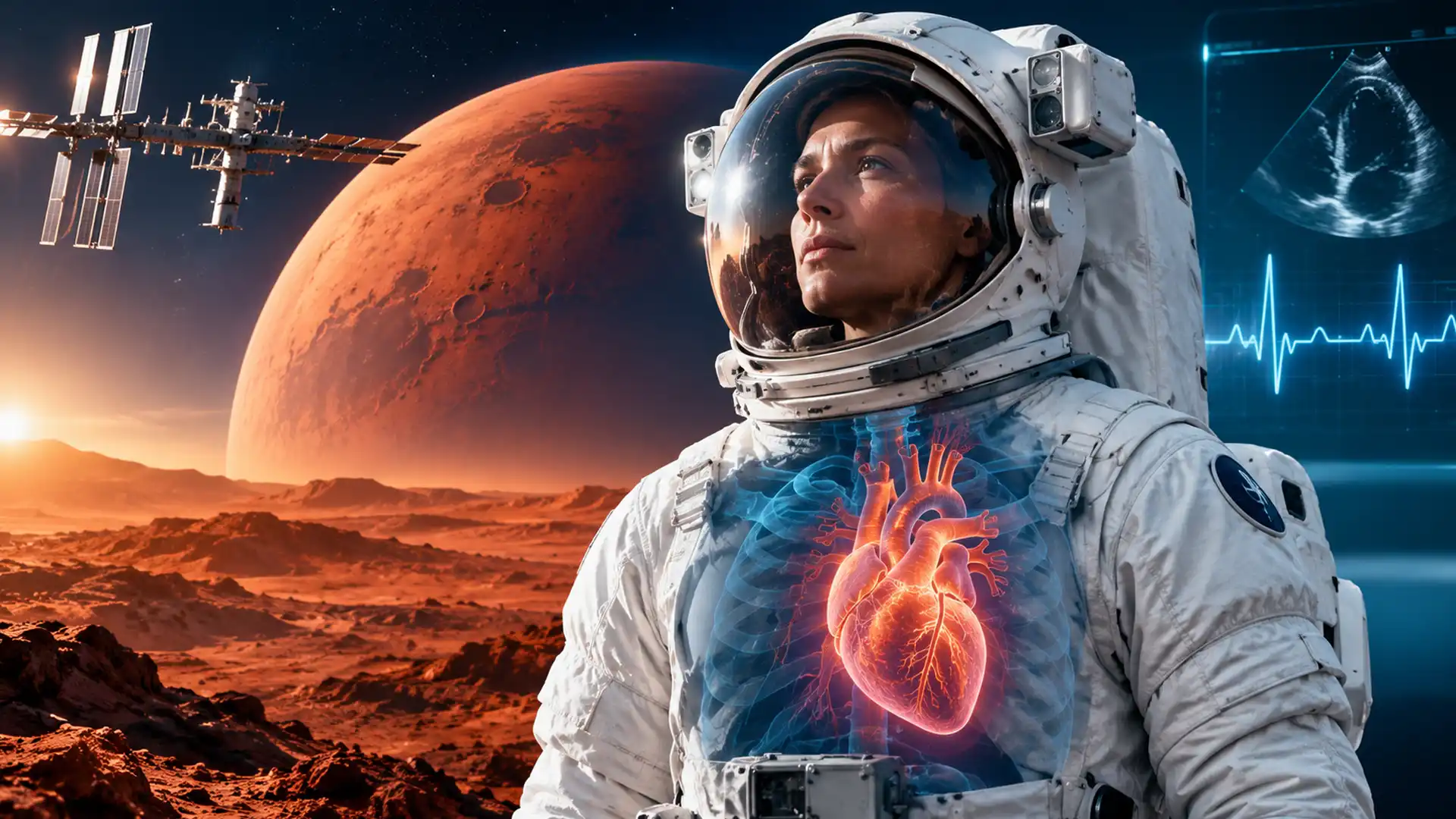
9 News HD: The study, published in the journal Circulation, is the first to look at how the human heart responds to Mars-like gravity after a long time in space without normal gravity.
One of NASA’s main concerns about sending astronauts to Mars is whether their hearts can handle the change from almost no gravity in space to Mars’ gravity, which is about one-third of Earth’s.
In the past, some astronauts felt dizzy or lightheaded after returning to Earth. This can happen when blood pressure drops suddenly after standing up. Living in space can weaken the heart and muscles, making it harder for the body to adjust. However, most astronauts in this study avoided these problems by following NASA’s exercise program.
The astronauts exercised for up to two hours every day to stay healthy. Their routine included 30 to 45 minutes of endurance training and 60 to 75 minutes of strength exercises.
Dr. James Thomas, a heart specialist at Northwestern University Feinberg School of Medicine and the study’s lead author, said the results provide encouraging signs that astronauts may be able to travel to Mars and work there safely.
Dr. Thomas worked with Dr. Benjamin Levine and Dr. Michael Bungo to study heart scans taken before, during and after each mission. The astronauts checked each other’s hearts every few weeks in space, while Dr. Thomas guided them from Earth through live calls.
During the first two weeks in space, the astronauts’ hearts pumped less blood than usual. However, their heart function gradually returned to normal as they continued their missions.
After the astronauts returned to Earth, researchers used a special test to copy some of the effects of Mars’ gravity. The astronauts were tilted upward at a 22-degree angle while lying down, causing blood to move towards the lower part of their bodies. The tests found no major heart problems, suggesting that their hearts could handle Mars-like gravity under the conditions tested.