Female Representation in Pakistani Media: Progress and Gaps
Published On 30 Nov 2025
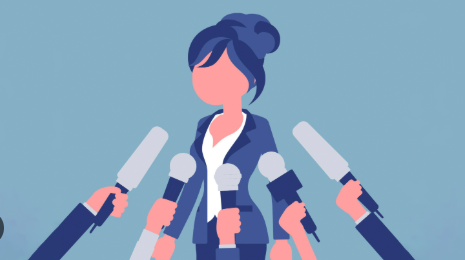
The role of women in media is a key indicator of societal progress and gender equality. In Pakistan, female representation in journalism, television, and digital media has seen notable improvements over the years. However, despite the progress, significant gaps and challenges still exist, reflecting broader social and cultural dynamics in the country.
Progress in Female Representation
Women in Journalism
Over the past decade, more women have entered the field of journalism in Pakistan. Female reporters, editors, and anchors are now covering politics, economics, sports, and social issues, breaking the stereotype that news reporting is a male-dominated profession. Many women journalists are also leading investigative reporting, shedding light on issues that affect marginalized communities.
Presence on Television and Digital Media
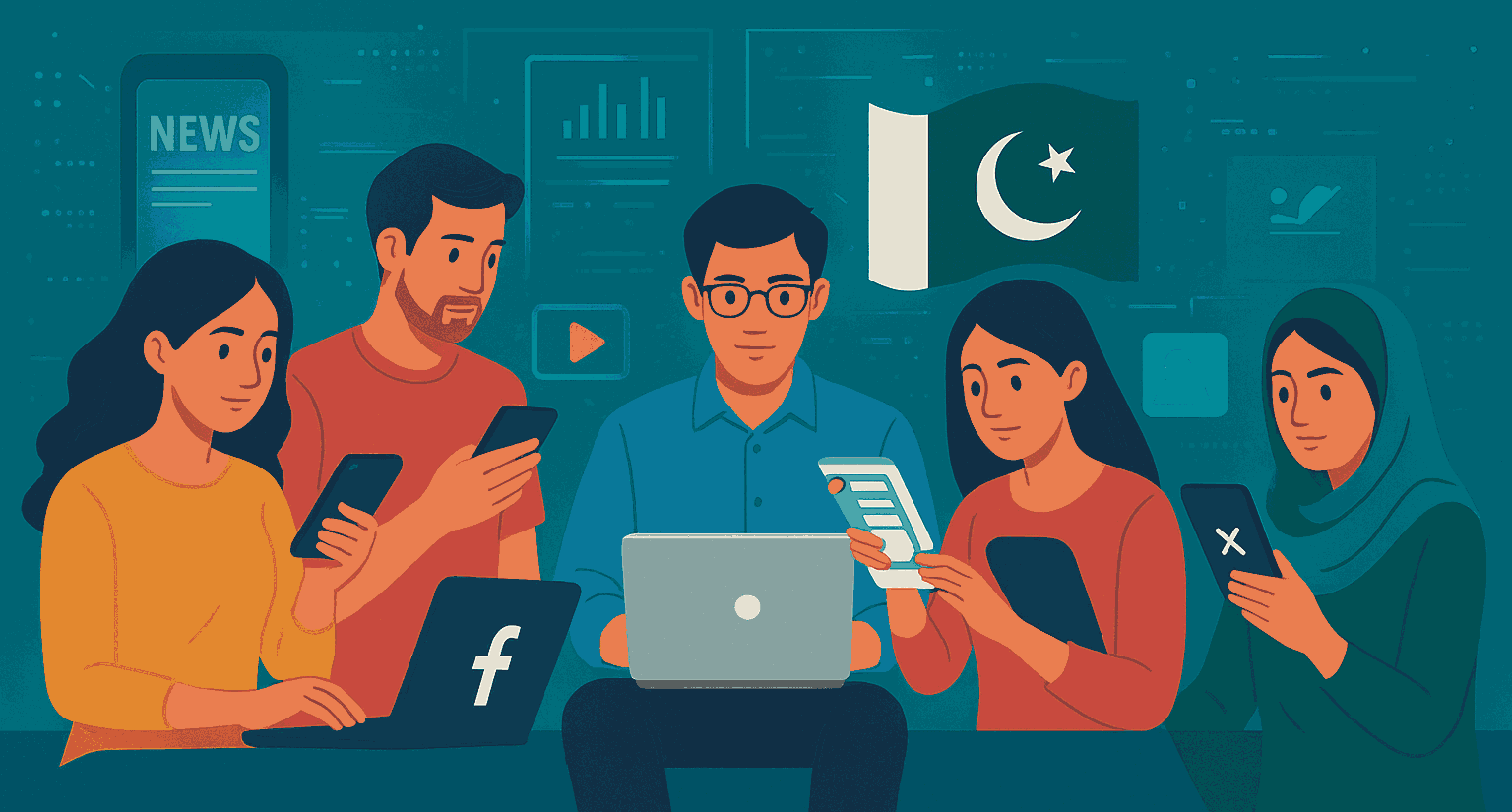
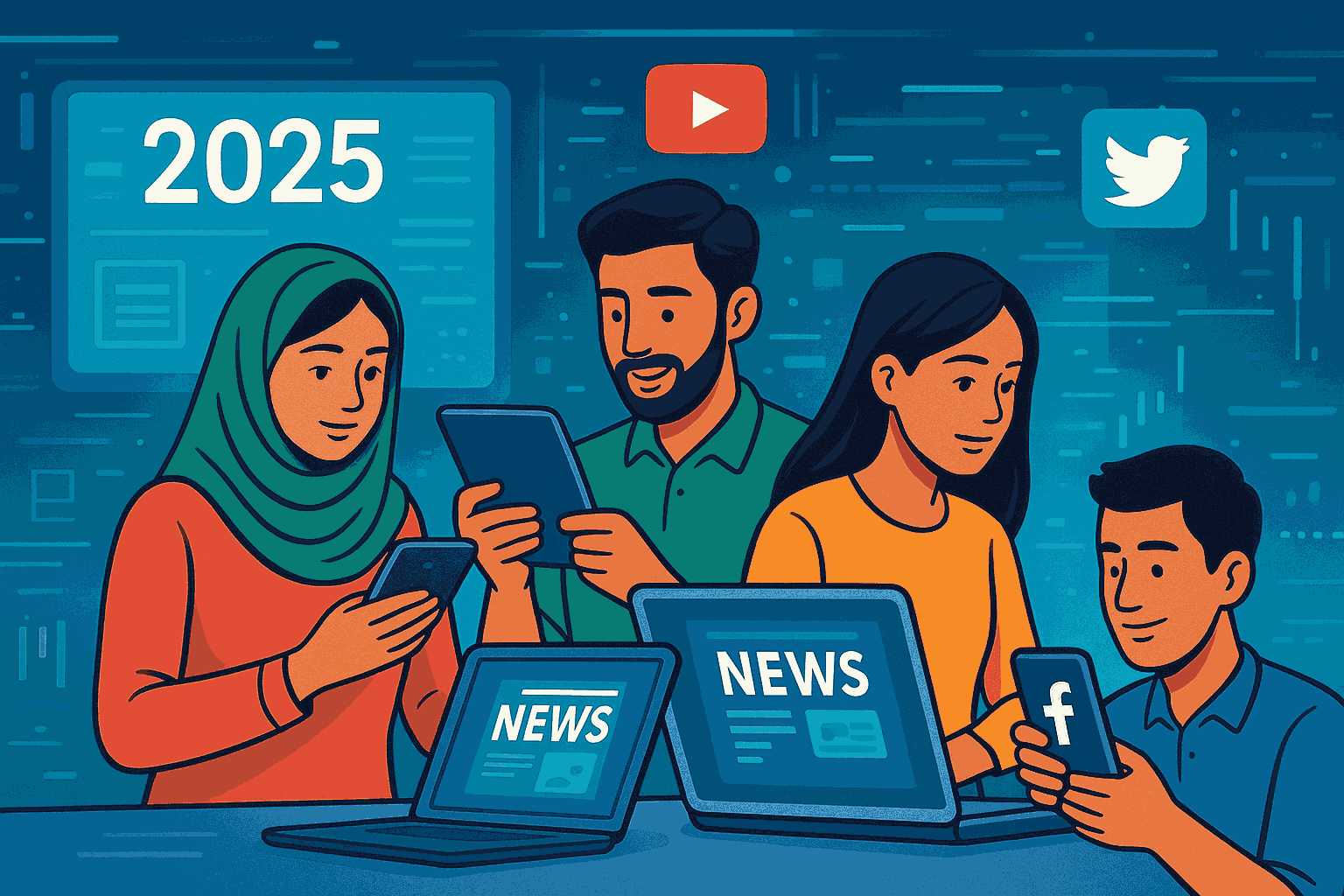
Television and digital media platforms have provided a visible space for female voices. Talk shows, morning programs, and news debates increasingly feature women as hosts, panelists, and experts. Social media platforms also offer women the opportunity to create content independently, contributing to a more diverse media landscape.
Representation in Storytelling
Women are not only appearing in front of the camera but are also contributing to storytelling and content creation. Female writers, producers, and directors are bringing nuanced perspectives to dramas, films, and documentaries, highlighting issues such as education, gender-based violence, and social empowerment.
Persistent Gaps and Challenges
Gender Stereotypes
Despite progress, female representation is often limited by gender stereotypes. Women in media are sometimes portrayed in traditional or domestic roles, while leadership and decision-making positions remain largely male-dominated. This unequal representation affects public perception and reinforces societal biases.
Safety and Harassment
Female journalists and media workers face safety risks, including harassment, online abuse, and intimidation. These challenges can discourage women from pursuing certain beats or public roles, limiting their career growth and representation in critical areas.
Unequal Opportunities
Leadership roles, editorial positions, and high-profile reporting opportunities are still disproportionately occupied by men. This limits women’s influence over content decisions, newsroom policies, and the shaping of public discourse.
Pay Disparity
Studies indicate that female media professionals often face wage gaps compared to their male counterparts, despite having similar qualifications and experience. Financial inequality further discourages women from entering or remaining in the media sector.
Steps Towards Improvement
Promoting Gender-Sensitive Policies
Media organizations can implement gender-sensitive policies that protect women from harassment, ensure equal pay, and provide opportunities for leadership roles. Such measures create safer and more equitable workplaces.
Encouraging Female Leadership
Increasing the number of women in editorial and management roles is crucial. Female leaders can advocate for diverse perspectives, inclusive content, and equal representation in programming.
Education and Training
Providing training programs, mentorship, and skill development for women in media can strengthen their confidence and professional capabilities. This empowers them to take on challenging assignments and leadership positions.
Amplifying Women’s Voices
Digital platforms and social media can be leveraged to amplify women’s voices, promote their work, and provide alternative spaces for storytelling. Highlighting success stories and achievements encourages young women to pursue media careers.
Conclusion
Female representation in Pakistani media has made significant strides, but persistent gaps remain in leadership, pay, and portrayal. Addressing these challenges requires concerted efforts from media organizations, policymakers, and society at large. By fostering inclusive workplaces, encouraging female leadership, and challenging stereotypes, Pakistan can continue to progress toward a media landscape where women’s voices are fully recognized, respected, and celebrated. Read more here!